Turkey is not just a destination — it is a living, breathing tapestry of civilizations stretching back thousands of years. From the Byzantine mosaics of Istanbul to the fairy chimneys of Cappadocia, every corner of this country tells a story. But to truly appreciate Turkey, you need to go beyond the landmarks and understand the culture, customs, and daily rituals that shape Turkish life. This guide covers everything a traveler needs to know about Turkish culture in 2026 — from sipping cay with a carpet seller in the Grand Bazaar to proper hamam etiquette and the dos and don'ts of mosque visits.
Whether you are joining one of our guided tour packages or exploring independently, understanding Turkish culture will transform your trip from a standard holiday into a deeply meaningful experience. Turks are among the most hospitable people on earth, and a little cultural awareness goes a long way toward unlocking authentic encounters.
Turkish Hospitality & Customs
Turkish hospitality — or misafirperverlik — is not a marketing slogan. It is embedded in the culture so deeply that there is a saying: "Bir fincan kahvenin kirk yil hatiri vardir" — a single cup of coffee creates a friendship that lasts forty years. If you spend any meaningful time in Turkey, you will experience this generosity first-hand, often when you least expect it.
The Sacred Bond of Host and Guest
In Turkish culture, a guest (misafir) is considered a gift from God. This is not hyperbole — it is a deeply held belief rooted in both pre-Islamic Turkic nomadic traditions and Islamic teachings. When a Turk invites you into their home, they will go to extraordinary lengths to make you comfortable. Refusing hospitality outright is considered rude, though politely accepting a smaller portion is perfectly fine.
- Tea will appear immediately. Within minutes of entering any Turkish home, shop, or even a carpet store, you will be offered cay (tea). Accepting is a sign of goodwill. You do not need to buy anything — the tea is genuinely offered as a gesture of welcome.
- You will be fed. Turkish hosts will insist you eat, even if you have just finished a meal. A polite "cok tok, tesekkur ederim" (I am very full, thank you) will eventually be accepted after two or three gentle refusals.
- Gifts may appear. Do not be surprised if a shopkeeper hands your child a small toy, or if a restaurant owner brings complimentary dessert. This is normal Turkish generosity.
Shoes Off Indoors
Removing shoes before entering a Turkish home is non-negotiable. You will notice a collection of shoes at the entrance and often a rack of guest slippers (terlik). Always remove your shoes — even if your host says "no need," they are being polite. Remove them anyway. This rule applies to most traditional accommodation as well, including many boutique cave hotels in Cappadocia.
Gift-Giving Etiquette
If you are invited to a Turkish home, bringing a small gift is appreciated but not required. Good options include:
- Sweets or pastries — baklava from a reputable shop is always a winner
- Flowers — avoid white lilies (associated with funerals) and opt for colorful arrangements
- Something from your home country — Turks genuinely appreciate small items that represent your culture
- Chocolates — high-quality chocolate is always welcome
Avoid bringing alcohol unless you know your host drinks — Turkey is a secular country, but many families are observant Muslims and do not consume alcohol.
Greetings and Physical Contact
Turkish greetings are warm and often involve physical contact. Close friends and family members greet each other by kissing both cheeks — left cheek first, then right. Between men, a firm handshake is standard for first meetings, often accompanied by placing the left hand on the other person's right arm or shoulder as a sign of warmth. When greeting someone significantly older, some Turks perform the traditional gesture of kissing the elder's hand and touching it to their forehead — a beautiful sign of respect you may witness during holidays.
Pro tip: Learn to say "Merhaba" (hello) and "Nasilsiniz?" (how are you?) — even basic Turkish greetings will earn you genuine smiles and often better service everywhere from restaurants to bazaars.
The Turkish Hamam Experience
The Turkish bath — or hamam — is one of Turkey's greatest cultural gifts to the world. Dating back to the Roman and Byzantine eras and perfected during the Ottoman Empire, the hamam was historically the social hub of neighborhood life. It was where deals were made, marriages arranged, and community bonds strengthened. Today, experiencing a hamam is one of the most authentic things you can do in Turkey.
What to Expect: Step by Step
If you have never been to a hamam, the experience can feel intimidating. Here is exactly what happens:
- Arrival and changing: You will be given a pestemal (a thin cotton wrap) and wooden clogs called nalin. You change in a private cubicle or room. Swimwear is optional — locals typically wear just the pestemal, but tourists wearing swimwear underneath is completely accepted.
- The warm room (iliklik): You enter a warm, humid room to acclimate. Spend 10 to 15 minutes here letting your pores open and your muscles relax.
- The hot room (sicaklik): The main marble chamber, usually featuring a large heated marble slab called the gobektasi (belly stone). Lie on this heated marble and sweat. The room temperature is typically around 40 to 50 degrees Celsius.
- The scrub (kese): An attendant (tellak for men, natir for women) will scrub your entire body with a coarse mitt called a kese. This removes dead skin and is incredibly invigorating. The amount of dead skin that comes off is always surprising — and oddly satisfying.
- The foam massage (kopuk masaji): After the scrub, you are covered in clouds of soapy foam using a cloth bag and given a gentle massage. This is pure bliss.
- Cool down: You are rinsed with water of alternating temperatures, then move to the cool room to relax with tea or sherbet.
Hamam Etiquette
- Gender separation: Traditional hamams have separate sections or operating hours for men and women. This is universal — do not expect mixed bathing in a traditional hamam.
- Nudity: Full nudity is common among locals in same-gender settings. Tourists typically keep a pestemal or swimwear on, which is perfectly fine.
- Tipping: Tip your attendant 20 to 30 percent of the service cost. They work physically demanding jobs and tips are a significant part of their income.
- Jewelry and valuables: Leave them in your locker. The marble is slippery and you do not want to lose a ring down a drain.
- Hydration: Drink plenty of water before and after. You will sweat more than you realize.
Best Hamams in Istanbul
- Cagaloglu Hamami (1741): One of the last great hamams built during the Ottoman era. Stunning architecture and a truly historic experience. Located near Sultanahmet — include it when you visit Istanbul's Old City.
- Kilic Ali Pasa Hamami (1580): Designed by the legendary architect Mimar Sinan. Beautifully restored and offers a premium experience in the Tophane neighborhood.
- Ayasofya Hurrem Sultan Hamami (1557): Built by Sinan for Hurrem Sultan (Roxelana), directly between the Hagia Sophia and Blue Mosque. The most luxurious (and expensive) option, but worth it for the setting.
- Cemberlitas Hamami (1584): Another Sinan masterpiece on Divanyolu Caddesi. More affordable and popular with both tourists and locals.
Hamams in Cappadocia
Several hotels in Cappadocia have private hamams carved into the rock — an extraordinary experience unique to this region. The Esbelli Evi in Urgup and several cave hotels in Goreme offer hamam experiences in ancient stone chambers. Some of our Cappadocia tour packages include a hamam session.
Pro tip: Go to the hamam on your first day. The scrub removes travel grime, the heat eases jet lag, and you will sleep like a baby afterward. It is the best way to reset after a long flight.
Turkish Tea & Coffee Culture
If Turkey had a national drink, it would be cay (tea) — not coffee, despite the global fame of Turkish coffee. Turks consume more tea per capita than any other country on earth, averaging over 3 kilograms per person per year. Tea is not just a beverage — it is a social lubricant, a business tool, and a daily ritual that punctuates every aspect of Turkish life.
Cay: The Lifeblood of Turkish Society
Turkish tea is black tea, grown primarily in the Rize province along the lush Black Sea coast. It is brewed in a distinctive double teapot called a caydanlik — loose tea steeps in the smaller pot on top while water boils in the larger pot below. The result is a strong concentrate that is diluted with hot water to taste.
Tea is served in small, tulip-shaped glasses called ince belli (slim-waisted) — never mugs. The shape is functional: it keeps the tea hot at the bottom while allowing you to hold the rim without burning your fingers. Sugar cubes are offered on the side — Turks specify how they want their tea:
- Acik (light): More water, lighter color — mild flavor
- Demli (strong): Less water, dark and robust — the most popular choice
- Sade (plain): Without sugar
- Sekerli (sweet): With one or two sugar cubes
Cay Bahcesi: The Tea Garden
Tea gardens (cay bahcesi) are everywhere in Turkey and are central to social life. Unlike Western cafes where people often sit alone staring at laptops, Turkish tea gardens are vibrant social spaces where friends gather, families spend afternoons, and strangers strike up conversations. Some of the best tea gardens in Istanbul include:
- Pierre Loti Tepesi: On a hill in Eyup with panoramic views of the Golden Horn — reach it by cable car
- Camlica Tepesi: On the Asian side with sweeping views of the Bosphorus and the city skyline
- Kuzguncuk cay bahcesi: A neighborhood gem on the Asian side, popular with locals
- Gulhane Parki: Next to Topkapi Palace in Sultanahmet — touristy but beautiful
Turkish Coffee: Fortune in a Cup
Turk kahvesi (Turkish coffee) is prepared by simmering very finely ground coffee with water (and sugar if desired) in a small pot called a cezve. UNESCO recognized Turkish coffee culture as an Intangible Cultural Heritage in 2013 — and rightfully so. The preparation is ritualistic: the coffee is heated slowly, allowed to foam, and poured into small cups. The grounds settle at the bottom and are never stirred or filtered out.
When ordering, specify your sugar level upfront — sugar is added during brewing, not after:
- Sade: No sugar (bitter and intense)
- Az sekerli: A little sugar
- Orta sekerli: Medium sugar (recommended for first-timers)
- Cok sekerli: Very sweet
Coffee Fortune Telling (Fal)
After finishing your Turkish coffee, place the saucer on top of the cup, make a wish, and flip it over. Let it cool. Then, a friend (or a professional fal reader in many cafes) will interpret the shapes left by the coffee grounds. This is called kahve fali and is hugely popular, especially among Turkish women. Even people who do not believe in fortunes enjoy it as a social activity.
You will find fal readers in many traditional cafes in Istanbul, particularly in the Beyoglu and Kadikoy neighborhoods. Some of our daily tours include a stop at a traditional coffee house where you can try it yourself.
Pro tip: Turkish coffee is served with a small glass of water and often a piece of Turkish delight (lokum). Drink the water first to cleanse your palate, then sip the coffee slowly. Stop drinking when you reach the muddy grounds at the bottom — do not try to drink those.
Religious & Cultural Etiquette
Turkey is a secular republic — this distinction is critically important. While approximately 97 percent of the population identifies as Muslim, Turkey has been constitutionally secular since Ataturk's reforms in the 1920s. Alcohol is widely available, Western dress is common in cities, and you will find a wide spectrum of religious observance from deeply devout to completely secular, sometimes within the same family.
Visiting Mosques
Turkey's mosques are among the most magnificent in the world, and they are open to visitors — free of charge. However, they are active places of worship, and respectful behavior is essential:
- Remove your shoes: Always. There will be a shoe rack or bags at the entrance. You can carry your shoes in a bag if you prefer.
- Dress modestly: Both men and women should cover their shoulders and knees. Women must cover their hair with a headscarf — most major mosques provide free scarves and sometimes skirts at the entrance.
- Avoid prayer times: The five daily prayers (namaz) are announced by the call to prayer (ezan). During prayer time, the mosque will be full of worshippers. You can still enter quietly but should stay to the back and observe in silence. The best time to visit is between prayers.
- Photography: Generally allowed in most mosques, but never photograph people praying. Some mosques restrict photography during prayer times. Turn off your flash.
- Be quiet: Speak in hushed tones. No phone calls. No loud conversations.
- Walk behind worshippers: Never walk directly in front of someone who is praying.
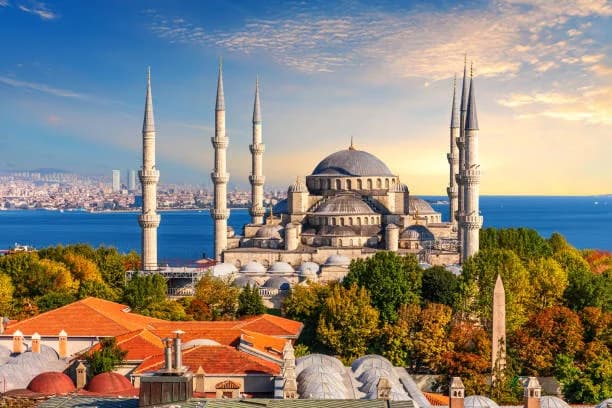
The major Istanbul mosques — the Blue Mosque (Sultan Ahmed), Suleymaniye, and the New Mosque (Yeni Cami) — are accustomed to tourists and have clear signage and attendants to help. Smaller neighborhood mosques are equally welcoming but may lack English signage.
Ramadan (Ramazan) in Turkey
Ramadan is the holy month of fasting observed by Muslims worldwide. In Turkey, it is called Ramazan. During this month, observant Muslims fast from sunrise (sahur) to sunset (iftar), abstaining from food, drink, and smoking during daylight hours. In 2026, Ramadan is expected to fall in approximately February to March (the dates shift each year based on the Islamic lunar calendar).
As a traveler during Ramadan:
- Restaurants stay open. Turkey is secular, and tourist areas, major cities, and hotels operate normally. You will have no trouble finding food during the day.
- Be discreet about eating. In conservative neighborhoods or smaller towns, avoid eating, drinking, or smoking conspicuously in public during fasting hours. It is not illegal, but it is considerate.
- Experience iftar. The evening meal breaking the fast is a wonderful cultural experience. Many restaurants offer special iftar menus, and some municipalities set up public iftar tables where anyone can join — Muslim or not. The atmosphere is communal and joyous.
- Evenings come alive. After iftar, Turkish cities buzz with energy. Streets fill with families, markets stay open late, and there is a festive atmosphere that is genuinely special.
Dress Code
In Istanbul, Izmir, Antalya, and other major cities, Western dress is completely normal. Shorts, t-shirts, and summer dresses are fine. In more conservative areas (parts of Central and Eastern Anatolia), modest dress — covering shoulders and knees — will help you blend in and is appreciated. At beach resorts along the Mediterranean and Aegean coasts, swimwear at the beach or pool is completely expected.
Pro tip: Carry a lightweight scarf in your bag at all times. It works as a headscarf for impromptu mosque visits, sun protection, and an extra layer in air-conditioned spaces. It is the single most versatile item you can pack for Turkey.
Turkish Festivals & Celebrations
Turkey's festival calendar is a fascinating blend of ancient traditions, religious observances, and national celebrations. Timing your visit to coincide with a festival can add an unforgettable layer to your trip.
Kirkpinar Oil Wrestling Festival (June-July)
Kirkpinar in Edirne is the oldest continuously running sporting competition in the world — dating back to 1362. Men called pehlivan (wrestlers) cover themselves in olive oil and grapple on grass fields in a tournament that can last up to a week. The head wrestler earns the title of Baspehlivan and a golden belt. The atmosphere is electric, with drumming (davul) and zurna (a type of oboe) providing a constant soundtrack.
The festival is a UNESCO-recognized cultural heritage event. Even if wrestling is not your thing, the surrounding fair with traditional food, music, and crafts is worth the trip. Edirne is easily reachable as a day trip from Istanbul — check our daily tour options.
Whirling Dervishes (Sema Ceremony)
The Mevlevi Sema ceremony — commonly known as the whirling dervishes — is a form of active meditation rooted in the teachings of the 13th-century poet and mystic Mevlana Jalaluddin Rumi. The spinning represents a spiritual journey, with the dervish's right palm facing upward (receiving from God) and the left facing downward (giving to the world).
The most significant ceremonies take place in Konya during the annual Mevlana Festival in December, commemorating the anniversary of Rumi's death (known as his "wedding night" with the divine). However, you can witness sema ceremonies year-round in Istanbul at venues like the Galata Mevlevihanesi (Mevlevi Lodge) and the Hodjapasha Culture Center near Sirkeci. In Cappadocia, several venues offer weekly performances.
This is a spiritual ceremony, not a performance. Respect is essential — no talking, no flash photography (regular photography is usually allowed), and clapping is not appropriate.
Religious Holidays: Bayrams
Turkey celebrates two major religious holidays:
- Ramazan Bayrami (Sugar Feast): A three-day celebration at the end of Ramadan. Families visit elders, children receive candy and money, and the atmosphere is similar to Christmas in Western countries. Sweets — especially baklava and Turkish delight — are everywhere.
- Kurban Bayrami (Feast of the Sacrifice): A four-day holiday that is the most important in the Islamic calendar. Families who can afford it sacrifice an animal (usually a sheep) and distribute the meat to family, neighbors, and those in need. This is the biggest travel period in Turkey — book well in advance as domestic tourism peaks.
Important for travelers: During bayrams, major tourist sites and popular destinations are packed with domestic tourists. Prices for accommodation and flights increase significantly. If you are traveling during a bayram, book everything well in advance. Alternatively, enjoy the festive atmosphere — it is a wonderful time to experience Turkish family culture.
Istanbul Tulip Festival (April)
Every April, Istanbul plants over 30 million tulips across the city. Many people do not know that the tulip actually originated in Turkey (not Holland) — the Ottoman Empire exported tulip bulbs to the Netherlands in the 16th century, sparking the famous Dutch tulip mania. The festival is a reclaiming of this heritage. Emirgan Park, Gulhane Park, and Camlica Hill are the best spots to see the displays.
National Holidays
- April 23 — National Sovereignty and Children's Day: Unique in the world — a national holiday dedicated to children. Schools perform shows, children symbolically "take over" government offices, and the atmosphere is joyful.
- May 19 — Commemoration of Ataturk, Youth and Sports Day: Marks the beginning of the Turkish War of Independence in 1919.
- August 30 — Victory Day: Celebrates the decisive battle of the War of Independence in 1922.
- October 29 — Republic Day: The most important secular holiday, marking the declaration of the Turkish Republic in 1923. Massive celebrations, parades, fireworks, and buildings draped in Turkish flags and portraits of Ataturk.
Bazaar & Shopping Culture
Shopping in Turkey is not a transaction — it is a social experience. The bazaar culture that has thrived for centuries continues to define how Turks buy and sell. Understanding how to navigate this world will save you money, earn you respect, and might just result in some of your most memorable interactions.
The Grand Bazaar (Kapalicarsi)
Istanbul's Grand Bazaar is one of the oldest and largest covered markets in the world — 61 covered streets, over 4,000 shops, and roughly 250,000 to 400,000 visitors per day. It has been in continuous operation since 1461. Walking through it for the first time is overwhelming in the best possible way.
The bazaar is organized loosely by trade: jewelers cluster together, leather shops occupy certain streets, carpet dealers have their section, and so on. This is by Ottoman design — grouping similar trades together created natural competition and kept prices fair.
The Spice Bazaar (Misir Carsisi)
The Egyptian Bazaar (Spice Bazaar) in Eminonu is smaller and more manageable than the Grand Bazaar. Originally built in 1660 to sell goods arriving from Egypt, it now overflows with spices, dried fruits, Turkish delight, teas, and souvenirs. The aromas alone are worth the visit. The stalls outside the main building often have better prices than those inside.
The Art of Haggling
Haggling is expected in bazaars and markets — it is not expected in modern shops, malls, or restaurants (where prices are fixed). Here is how to haggle like a local:
- Start at 40 to 50 percent of the asking price. The seller expects it and will be delighted to engage.
- Be friendly and smile. Haggling in Turkey is a game, not a confrontation. Enjoy it.
- Accept the tea. You will be offered cay. Accept it. It does not obligate you to buy.
- Walk away if needed. The most powerful negotiating tool is walking toward the door. If the seller calls you back, there is room to negotiate. If they do not, you have found the floor price.
- Compare prices. Visit multiple shops before buying, especially for big-ticket items like carpets.
- Cash gets better prices. Credit card fees eat into profit, so sellers will often give a discount for cash payment.
- Do not haggle aggressively for small amounts. Arguing over one or two lira with someone earning a modest living is poor form.
What to Buy in Turkey
- Turkish carpets and kilims: The classic Turkish souvenir. Hand-knotted carpets from regions like Hereke, Kayseri, and Usak are genuine works of art. Ask the seller about the knot count (higher is finer), material (silk vs wool vs cotton), and dyes (natural vs synthetic). A reputable dealer will provide a certificate of authenticity. Budget anywhere from $200 for a small kilim to $5,000+ for a fine silk carpet.
- Ceramics and Iznik tiles: Hand-painted Iznik ceramics — with their distinctive blue, turquoise, and red floral patterns — are museum-quality craftsmanship. The best come from workshops in Iznik (Nicaea) and Kutahya. Mass-produced versions are much cheaper but lack the character.
- Spices and teas: Sumac, pul biber (Aleppo pepper flakes), saffron, dried mint, and apple tea are lightweight, affordable, and make great gifts.
- Nazar boncugu (evil eye): The blue glass evil eye charm is ubiquitous in Turkey. It is believed to ward off the "evil eye" — envy or ill will from others. You will see it hanging in cars, shops, homes, and even on newborn babies. It is the most popular and affordable Turkish souvenir.
- Turkish delight (lokum): Buy from reputable brands like Hafiz Mustafa (established 1864) or Ali Muhiddin Haci Bekir (established 1777). These offer vastly superior quality to the tourist-trap versions.
- Leather goods: Turkey is a major leather producer. Jackets, bags, and belts are significantly cheaper than in Europe. The leather district in the Grand Bazaar is the place to look.
- Olive oil and olive oil soap: Especially from the Aegean region. Natural olive oil soap is a Turkish specialty that is both practical and affordable.
Pro tip: Ask for a "tourist tax refund" form (KDV iadesi) for purchases over a certain threshold. Turkey offers VAT refunds for tourists on goods taken out of the country — you reclaim the tax at the airport.
Turkish Music & Arts
Turkish artistic traditions span millennia and reflect the crossroads position of Anatolia between East and West. From Ottoman court music to contemporary Turkish pop that dominates streaming charts across the Middle East, and from ancient tile-making to modern street art, Turkey's creative output is extraordinary.
Ottoman Classical Music
Ottoman court music (Osmanli saray muzigi) is a sophisticated tradition that developed over centuries in the palaces of Istanbul. Using instruments like the ney (reed flute), kanun (zither), ud (lute), and kudüm (small drums), this music is melodically complex and deeply meditative. It draws from the makam system — a framework of melodic modes far more nuanced than Western major and minor scales.
You can experience live Ottoman music at concerts in Istanbul's historic venues, during Mevlevi sema ceremonies, and at cultural centers. The Istanbul Music Festival (June) regularly features Ottoman classical performances.
Turkish Folk Music
Every region of Turkey has its own folk music tradition. The baglama (or saz) — a long-necked stringed instrument — is the backbone of Anatolian folk music. Black Sea region music features the kemence (a small fiddle) and the frenetic horon dance. Southeastern music incorporates Arabic and Kurdish influences. Attending a folk music evening, especially in Cappadocia where "Turkish Night" events are popular, is a fantastic introduction.
Turkish Pop and Arabesque
Modern Turkish pop music is hugely popular across the Middle East and Balkans. Artists like Tarkan (of "Simarik/Kiss Kiss" fame), Sezen Aksu (the "Queen of Turkish Pop"), and newer stars have massive followings. Arabesque music — emotional, dramatic, and heavily orchestrated — emerged in the 1960s and remains beloved. Artists like Ibrahim Tatlises and Muslum Gurses are legendary figures whose music you will hear in taxis and restaurants across the country.
Ebru: The Art of Marbling
Ebru is the ancient art of creating colorful patterns on water and transferring them to paper or fabric. The artist drops pigments onto a tray of water thickened with natural gum, then uses tools to manipulate the colors into swirling, floral, or geometric patterns. When paper is laid on the surface, the design transfers permanently. UNESCO inscribed Ebru as an Intangible Cultural Heritage in 2014.
You can take Ebru workshops in Istanbul (the Les Arts Turcs workshop near the Blue Mosque is excellent) and in several locations in Cappadocia. A one to two hour class costs around $30 to $60 and you take your artwork home — a far more meaningful souvenir than anything you can buy.
Iznik Ceramics and Calligraphy
Iznik ceramics represent the pinnacle of Ottoman decorative art. The tiles that adorn the Blue Mosque, Topkapi Palace, and Rustem Pasha Mosque were produced in the town of Iznik (ancient Nicaea) during the 15th to 17th centuries. The distinctive cobalt blue, turquoise, emerald green, and "Armenian bole" red are instantly recognizable. Today, workshops in Iznik and Kutahya continue the tradition using original techniques.
Islamic calligraphy (hat sanati) transforms Arabic script into visual art. The best examples are found in Istanbul's mosques, particularly the Suleymaniye Mosque and Hagia Sophia. Calligraphy workshops are available in Istanbul's historic quarter — another hands-on cultural experience worth seeking out.
Pro tip: Visit the Museum of Turkish and Islamic Arts (Turk ve Islam Eserleri Muzesi) in Sultanahmet. Housed in the 16th-century palace of Ibrahim Pasha, it contains one of the world's finest collections of Islamic calligraphy, carpets, ceramics, and metalwork — with a fraction of the crowds at nearby Hagia Sophia.
Family & Social Life
Family is the cornerstone of Turkish society. Understanding how Turkish families operate gives you profound insight into the culture — and helps explain many of the customs you will encounter as a traveler.
Turkish Wedding Traditions
Turkish weddings are epic events — loud, colorful, and joyously chaotic. Traditional weddings involve multiple days of celebrations:
- Kina gecesi (henna night): Held the night before the wedding, this is a women-only event (though modern versions sometimes include men). The bride's hands are decorated with henna while women sing melancholic folk songs. The bride traditionally cries — symbolizing sadness at leaving her family home.
- The wedding day: The groom's family arrives at the bride's home with a marching band (davul and zurna) to collect the bride. A Turkish flag is often hung from the bride's home. At the wedding venue, there is dancing — lots of dancing — and the halay (a line dance) is the crowd favorite.
- Gold pinning: Guests pin gold coins or gold jewelry directly onto the bride and groom's wedding outfits or a ribbon. This is the primary form of wedding gift and helps the couple start their new life.
- The feast: Food is abundant. Expect multiple courses, a massive wedding cake, and desserts galore.
If you are lucky enough to be near a Turkish wedding during your travels, do not be surprised if you are invited to join. Turks genuinely welcome strangers to share in their celebrations.
Neighborhood Culture (Mahalle)
The mahalle (neighborhood) has traditionally been the basic unit of Turkish social life. Neighbors look out for each other — sharing food, watching each other's children, and gathering in tea gardens. While urbanization has diluted this in major cities, you can still experience authentic mahalle culture in smaller towns and in Istanbul's traditional neighborhoods like Balat, Kuzguncuk, and Uskudar.
Picnic Culture
Turks are passionate about picnics. On weekends, families pack elaborate spreads — grilled meats, borek (savory pastries), salads, fruits, tea equipment — and head to parks, forests, or seaside spots. This is not a sandwich-and-chips affair; Turkish picnics are full-scale outdoor feasts often involving portable grills (mangal). If you are traveling in Turkey during spring or summer and see a gorgeous park, you will likely find dozens of families having elaborate picnics. Belgrade Forest near Istanbul and the shores of Lake Abant in Bolu province are famous picnic destinations.
The Role of Elders
Respect for elders is deeply embedded in Turkish culture. Older family members are addressed with specific titles: abi/abla (older brother/sister), amca/teyze (uncle/aunt — also used for any older man/woman you do not know), dede/nene (grandfather/grandmother). On public transport, younger people always offer their seat to the elderly. During holidays, the youngest family members kiss the hands of elders. Understanding this hierarchy helps you navigate social situations gracefully.
Pro tip: If you want to experience authentic Turkish family culture, consider booking a home-hosted meal experience. Several of our tour packages include meals with local families, which consistently rank as the highlight of travelers' trips.
Regional Cultural Differences
Turkey is a vast country — spanning 783,000 square kilometers across two continents — and the cultural differences between regions are striking. Understanding these differences will help you adjust your expectations and behavior as you travel.
Istanbul: Cosmopolitan Crossroads
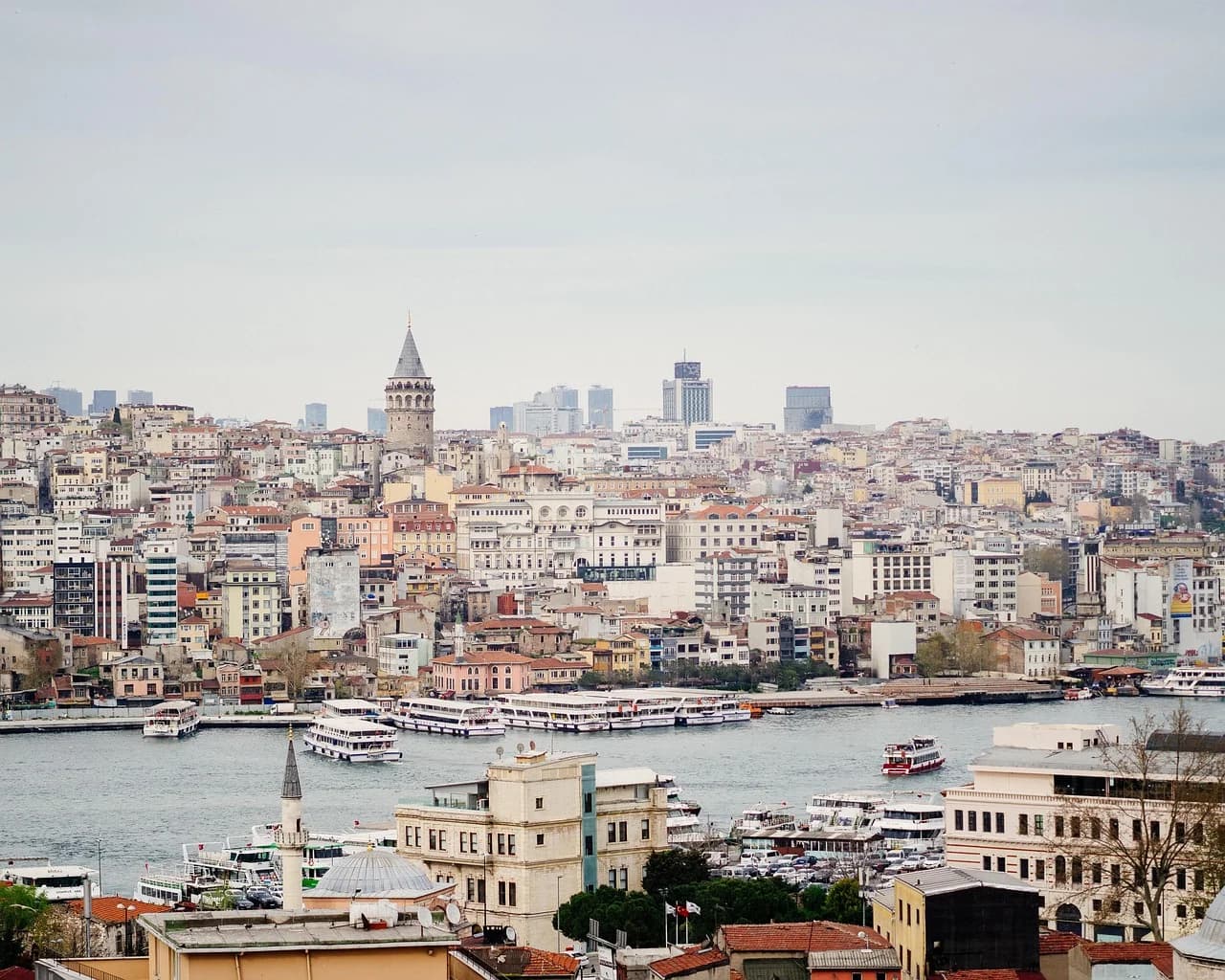
Istanbul is a world unto itself. A city of 16 million people straddling Europe and Asia, it is Turkey's cultural, economic, and creative capital. Istanbul is where you will find rooftop cocktail bars next to 500-year-old mosques, where fashion-forward Istanbulites walk past street vendors selling simit (sesame bread rings), and where a single bus ride can take you from a ultra-modern shopping mall to a crumbling Byzantine wall. The city is liberal by Turkish standards, highly international, and operates at a fast, sometimes frantic pace. English is widely spoken in tourist areas.
Cappadocia: Timeless and Mystical
Cappadocia has a slower, more contemplative pace. The small towns of Goreme, Urgup, Uchisar, and Avanos feel worlds away from Istanbul's energy. The local culture is rooted in agriculture (the region is famous for its wine, pottery, and stone-carving traditions). Tourism has brought international influences, but the underlying culture remains conservative and community-oriented. People here are exceptionally friendly — partly because smaller communities simply operate that way, and partly because tourism has created a genuine culture of welcome.
Mediterranean and Aegean Coast: Laid-Back and Hedonistic
The southern and western coasts — from Antalya to Bodrum to Izmir — have a distinctly Mediterranean vibe. Life moves at a leisurely pace, beaches dominate the culture, and the cuisine leans heavily on olive oil, seafood, fresh vegetables, and herbs. Izmir in particular is considered Turkey's most liberal city — even more so than Istanbul. The Aegean coast has a strong Greek cultural legacy (this area was part of ancient Ionia), and you will notice it in the architecture, cuisine, and even the temperament of the locals. Bodrum and the surrounding peninsula combine Turkish village life with international resort culture.
Black Sea Region: Lush, Energetic, and Distinct
The Black Sea coast is Turkey's wild card. Lush green mountains, dramatic valleys, and a climate more reminiscent of Scotland than the Mediterranean. The people of the Black Sea — Karadenizliler — have a reputation for being energetic, musical, and slightly eccentric. Their folk music features the kemence and the tulum (a type of bagpipe), and the frenetic horon dance is unlike anything else in Turkey. The cuisine centers on corn, butter, anchovies (hamsi), and cheese. Trabzon, Rize (tea country), and the Sumela Monastery are the main attractions.
Central Anatolia: The Heartland
The vast Anatolian plateau — anchored by the capital Ankara and the spiritual center of Konya — is more conservative, more traditional, and arguably more "authentically" Turkish than the cosmopolitan coasts. The pace is slower, the cuisine is meat-heavy (kebabs originate from this region), and Islamic culture is more visible in daily life. Konya, as the home of Rumi and the Mevlevi order, has a particularly spiritual atmosphere.
Southeastern Turkey: Ancient and Complex
The southeast — cities like Gaziantep (Turkey's food capital), Sanliurfa, Mardin, and Diyarbakir — is culturally distinct, with strong Kurdish and Arab influences. The cuisine here is arguably Turkey's finest, the historic architecture is stunning, and the hospitality is intense even by Turkish standards. Gaziantep's baklava is considered the best in the world, and the city was designated a UNESCO Creative City of Gastronomy. This region sees fewer international tourists, which means more authentic interactions and better value.
Pro tip: Do not limit yourself to Istanbul and Cappadocia. Our tour packages cover multiple regions precisely because each part of Turkey offers a completely different cultural experience. Combining coastal relaxation with inland exploration gives you the full picture of this incredibly diverse country.
Useful Turkish Phrases for Travelers
Turkish is a phonetic language — words are pronounced exactly as they are spelled, once you learn the pronunciation rules. Even a handful of Turkish phrases will dramatically improve your interactions. Turks deeply appreciate any attempt to speak their language, no matter how imperfect.
Basic Greetings
- Merhaba (mer-HA-ba) — Hello (formal, works everywhere)
- Selam (se-LAM) — Hi (informal, among friends)
- Gunaydin (goo-NAI-din) — Good morning
- Iyi aksamlar (ee-YEE ak-SHAM-lar) — Good evening
- Iyi geceler (ee-YEE ge-JE-ler) — Good night
- Nasilsiniz? (NA-sil-si-niz) — How are you? (formal)
- Iyiyim, tesekkur ederim (ee-YEE-yim, te-shek-KOOR e-de-RIM) — I am fine, thank you
Essential Words
- Tesekkur ederim / Tesekkurler — Thank you (formal / informal)
- Lutfen (LOOT-fen) — Please
- Evet (e-VET) — Yes
- Hayir (ha-YIR) — No
- Affedersiniz (af-fe-der-si-NIZ) — Excuse me / I am sorry
- Tamam (ta-MAM) — OK / agreed / understood (the most useful word in Turkey)
Shopping and Dining
- Ne kadar? (ne ka-DAR) — How much?
- Pahali (pa-ha-LI) — Expensive
- Indirim var mi? (in-di-RIM var mi) — Is there a discount?
- Hesap, lutfen (he-SAP, LOOT-fen) — The bill, please
- Cok guzel (chok goo-ZEL) — Very beautiful / very nice
- Cok lezzetli (chok lez-ZET-lee) — Very delicious
- Afiyet olsun (a-fee-YET ol-SUN) — Bon appetit (said to anyone eating)
- Elinize saglik (e-li-NI-ze sa-LIK) — Compliment to the cook (literally "health to your hands")
Getting Around
- Nerede? (ne-RE-de) — Where is it?
- Sag / Sol / Duz (sa / sol / dooz) — Right / Left / Straight
- Yakin mi? (ya-KIN mi) — Is it close?
- Otobus / Taksi / Metro — Bus / Taxi / Metro
- Havaalani (ha-va-a-la-NI) — Airport
Social Phrases
- Serefe! (she-re-FE) — Cheers! (when clinking glasses)
- Hos geldiniz (hosh gel-di-NIZ) — Welcome (said by the host)
- Hos bulduk (hosh bul-DUK) — Thank you (the guest's reply to hos geldiniz)
- Insallah (in-SHA-lah) — God willing (used constantly, even by secular Turks)
- Masallah (ma-SHA-lah) — Expression of admiration or wonder (used to compliment without "jinxing" something)
- Kolay gelsin (ko-LAI gel-SIN) — "May it come easy" (said to anyone who is working — shopkeepers, waiters, even construction workers)
Pro tip: The phrase "Kolay gelsin" is the single best cultural key to Turkey. Say it to your taxi driver, your hotel receptionist, the man making your kebab, the woman selling you a bus ticket. It is a uniquely Turkish expression of empathy and respect, and it never fails to produce a warm smile.
Frequently Asked Questions
Is Turkey safe for tourists in 2026?
Yes. Turkey is one of the most visited countries in the world, welcoming over 50 million international tourists annually. Major tourist destinations — Istanbul, Cappadocia, the Mediterranean coast, the Aegean coast — are safe and well-policed. Exercise the same common-sense precautions you would in any major destination: watch your belongings in crowded areas, use licensed taxis or ride-sharing apps, and stay aware of your surroundings. Our guided tours provide an additional layer of security and local expertise.
Do I need to cover my head as a woman in Turkey?
No — Turkey is a secular country and there is no legal requirement to cover your head. However, headscarves are required when entering mosques. Outside of mosques, you can dress as you normally would in any European country. In very conservative rural areas, modest clothing (covering shoulders and knees) is appreciated.
Can I drink alcohol in Turkey?
Yes. Alcohol is legal and widely available in restaurants, bars, hotels, and shops. Turkey produces excellent wines (especially from Cappadocia, Thrace, and the Aegean region) and has its own national spirit — raki, an anise-flavored drink similar to Greek ouzo. However, avoid drinking conspicuously during Ramadan in conservative neighborhoods as a sign of respect.
What is the tipping culture in Turkey?
Tipping is appreciated but not as rigidly expected as in the United States. General guidelines: restaurants — 5 to 10 percent if service charge is not included; taxis — round up to the nearest convenient amount; hotel staff — 20 to 50 TL per day for housekeeping; hamam attendants — 20 to 30 percent; tour guides — 100 to 200 TL per day; drivers — 50 to 100 TL per day.
Is haggling expected everywhere?
No. Haggling is appropriate in bazaars, markets, and some small shops — especially for items without a price tag. It is not appropriate in modern retail stores, supermarkets, restaurants, or any establishment with clearly marked fixed prices. When in doubt, ask: "Indirim var mi?" (Is there a discount?) — if the answer is firm, respect it.
What should I wear to visit mosques?
Both men and women should cover their shoulders and knees. Women must also cover their hair with a scarf. Most major mosques in Istanbul and other tourist cities provide free headscarves and wraps at the entrance. Remove your shoes before entering — carry them in a bag or use the shoe racks provided.
How do I handle Turkish toilet etiquette?
Many traditional Turkish toilets are squat toilets (alaturka), though Western-style (alafranga) toilets are now standard in hotels, restaurants, and modern buildings. Turkish toilets often have a small hose or bidet attachment for washing. Carry tissue paper with you as not all public restrooms provide it. Small public restrooms may charge 2 to 5 TL.
Is it true that Turkish people watch a lot of TV series?
Absolutely. Turkish television dramas (diziler) are a cultural phenomenon — they are the second most exported TV content in the world after the United States. Shows like "Magnificent Century" (Muhtesem Yuzyil), "Resurrection: Ertugrul," and "Kara Sevda" have massive followings across the Middle East, Latin America, and the Balkans. Mentioning a popular Turkish drama is an excellent conversation starter with locals.
What is the deal with the evil eye (nazar)?
The nazar boncugu — the blue glass eye charm — is a cultural symbol believed to protect against the "evil eye" (someone's envious or malicious gaze). It is not specifically Islamic — the belief predates Islam and exists across Mediterranean and Middle Eastern cultures. Turks hang them everywhere: in homes, cars, offices, on newborn babies, and even on new buildings. They make popular and affordable souvenirs.
Can I take photos of people in Turkey?
Always ask permission before photographing people, especially in rural areas, conservative neighborhoods, and at religious sites. Most Turks are happy to pose for photos and may even insist on taking selfies with you. Never photograph military installations, and be discreet when photographing women in conservative areas. In tourist areas like the Grand Bazaar, shopkeepers may not want their goods photographed — ask first.
Experience Turkish Culture First-Hand
Our expert-guided tours immerse you in authentic Turkish culture.
Local guides • Small groups • Authentic experiences • Hidden gems
Browse Tour Packages →Trusted by thousands of travelers since 2010
📚 Continue Reading: More Turkey Guides
Explore our comprehensive travel guide series to plan the perfect Turkey trip: