Turkey Tours from Japan
A practical guide to planning a Turkey trip from Japan — routes, timing, trip length and the guiding and pacing arrangements Japanese travellers usually ask for.
Turkey has been a fixture on Japanese long-haul itineraries for decades, and the reason is straightforward once you look at the shape of the country: an old, layered capital city, a volcanic landscape unlike anything in Japan, and a coastline to close the trip on, all reachable on internal flights rather than long overland transfers. For a market with limited annual leave, that efficiency matters as much as the sights themselves.
What trips up first-time planners from Japan is less the sightseeing and more the scheduling: which of the public-holiday clusters to travel around, how tightly a Cappadocia-plus-Istanbul itinerary can realistically be packed into a week, and whether the itinerary needs a Japanese-speaking escort travelling with the group in addition to the guide required by Turkish law. Those are the questions this page answers.
We are a Turkish operator based in Istanbul, working since 2013 under TÜRSAB licence 7747. We handle the ground side directly — the guiding, the vehicles, the entrances, the timing — for honeymooners, independent travellers and for Japanese travel agents running escorted group tours who want a reliable partner on this end.
Departure gateways
The airports most Turkey-bound travellers leave from, and where they land.
Usually arriving at IST · SAW
Getting to Turkey from Japan
The main departure gateways are Tokyo, served by both Narita (NRT) and Haneda (HND), plus Osaka (KIX), Nagoya (NGO) and Fukuoka (FUK). Traffic from these airports arrives at Istanbul Airport (IST) on the European side, with a smaller share into Sabiha Gökçen (SAW) on the Asian side — worth checking on your ticket, since the two sit on opposite banks of the Bosphorus and transfer times differ accordingly. Flying time from Tokyo or Osaka to Istanbul runs roughly twelve to thirteen hours; some routings connect through a Gulf or Southeast Asian hub instead, adding a stop. Inside Turkey, Istanbul–Cappadocia and Istanbul–Aegean coast legs are short domestic flights, which is what makes a tightly scheduled week-long itinerary realistic for a market where annual leave is often taken in short, defined blocks.
When Japanese travellers go to Turkey
Three public-holiday clusters carry most of the traffic. Golden Week in late April and early May is the biggest single window for outbound travel from Japan and lands in a comfortable Turkish spring. Obon in mid-August draws a large second wave despite the heat, because it is one of the few periods most companies close simultaneously. The New Year period around January 1st carries a smaller number of shorter trips. Outside those clusters, October and November are increasingly chosen by travellers who can arrange the time off independently, for milder weather and thinner crowds at both Cappadocia and the coast. Because leave is often fixed rather than flexible, dates tend to be locked in well ahead of the trip.
How long to go for
Most itineraries from Japan run six to nine days on the ground, reflecting how leave is typically taken rather than the flying distance alone. Five or six nights covers Istanbul and Cappadocia at an efficient pace and is the most common escorted-tour length. Eight or nine nights adds Pamukkale and Ephesus, the classic circuit also sold by Japanese agents as a signature itinerary. Honeymooners and independent travellers with more flexible schedules often extend to ten or twelve nights to add the Aegean or Mediterranean coast at a slower pace.
Food, language and travelling your way
Dietary requirements from this market are generally light, though vegetarian requests do come up and are easy to arrange with notice. The larger consideration is language and pacing. Group tours from Japan often travel with their own Japanese-speaking tour conductor accompanying the group from departure to return, working alongside the licensed Turkish guide required for any guided sightseeing — the two roles are different and both are real. For independent travellers, English-speaking guiding is available throughout the country; Japanese-speaking guiding is more limited and, in Cappadocia especially, needs to be requested well ahead. Turkish law also requires a licensed driver for the vehicle, so both the guide and the driver are quoted as genuine line items rather than optional extras.
How we work with travellers and agents in Japan
For honeymooners and independent travellers we build the itinerary end to end and operate it ourselves in Turkey, timed against whichever holiday window suits the trip. For Japanese travel agents running escorted group tours we work on a net basis: you keep the client relationship and the tour conductor, we handle the Turkish ground arrangements, the licensed guiding and driving, and the day-to-day coordination in-country. Tell us the dates, the group size and whether a Japanese-speaking conductor is travelling with the group, and we come back with a costed itinerary rather than a brochure.
Before you book: the visa
Entry rules change, so we keep them on one maintained page rather than repeating them here. Check it, then confirm on the official Republic of Türkiye portal.
Read the visa guideGood to know
Main gateways are Tokyo (Narita/Haneda), Osaka, Nagoya and Fukuoka; most flights land at Istanbul Airport (IST), a smaller share at Sabiha Gökçen (SAW).
Flying time from Tokyo or Osaka is roughly twelve to thirteen hours; some routings connect via a Gulf or Southeast Asian hub.
The busiest windows are Golden Week (late April–early May) and Obon (mid-August), with October–November a growing off-peak choice.
Six to nine days on the ground is typical, reflecting how Japanese leave is usually taken rather than the flying distance alone.
Group tours often travel with their own Japanese-speaking tour conductor in addition to the licensed Turkish guide required by law.
Japanese-speaking local guiding is limited, especially in Cappadocia, and needs to be requested well in advance.
Tours we operate in Turkey
Ready-made itineraries you can book as they are, or use as a starting point for something built around your dates.
 3 Nights / 4 Days
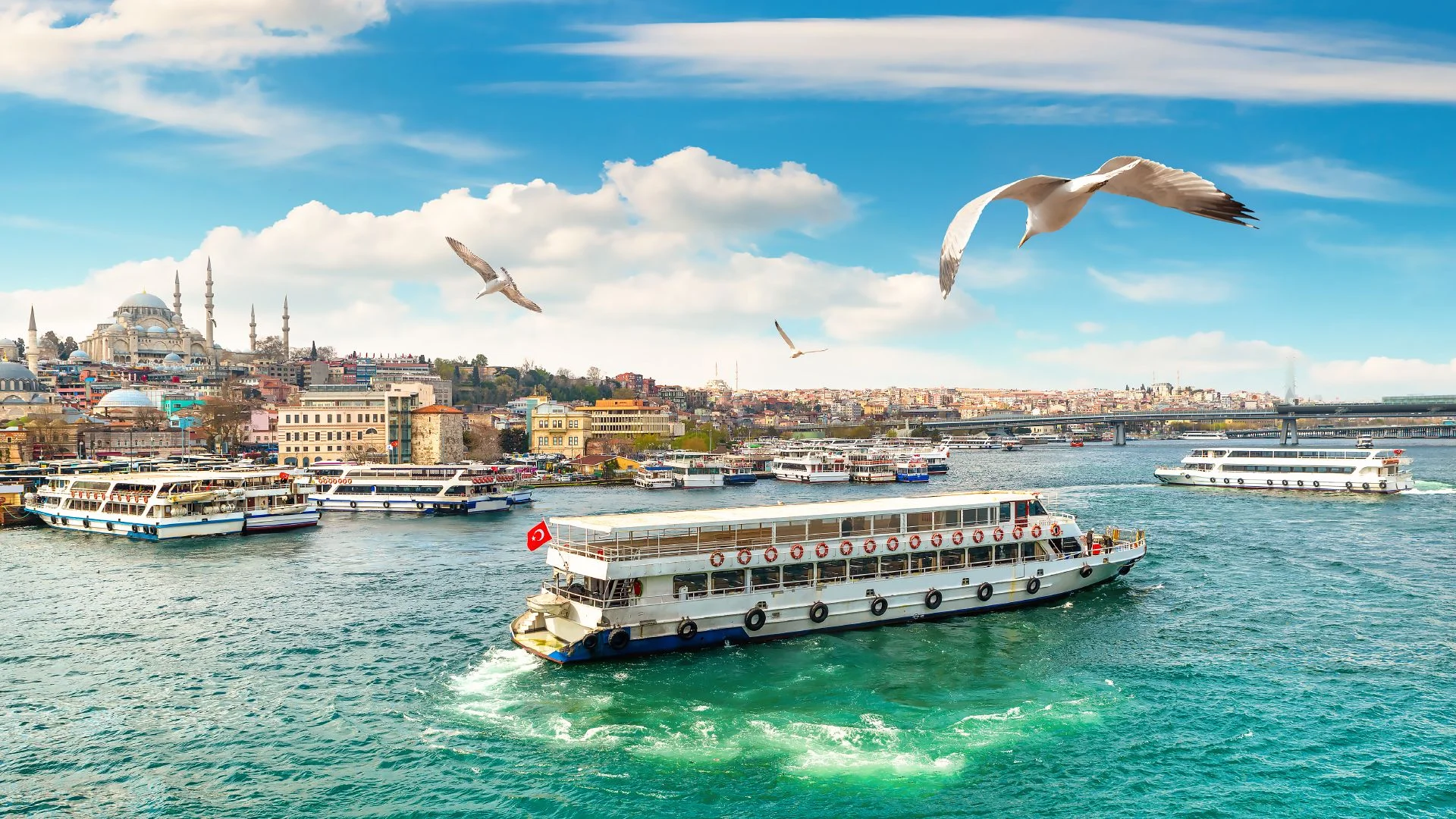 4 Nights / 5 Days
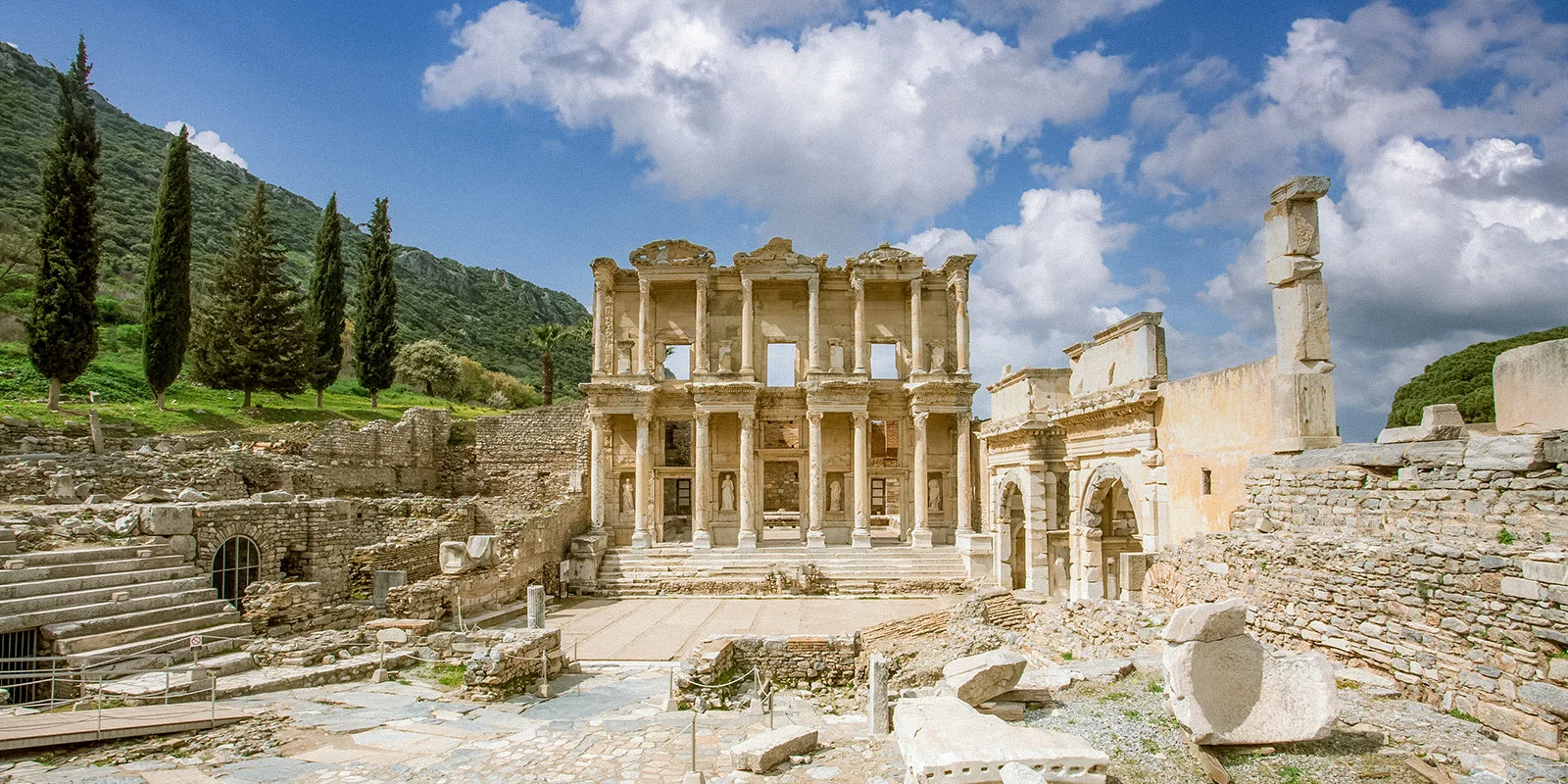 5 Nights / 6 Days
Istanbul, Kusadasi, Ephesus & Pamukkale 5 Nights Private Tour - Land Only
Istanbul · Kusadasi · Ephesus · Pamukkale
from €625 per person
View Itinerary 5 Nights / 6 Days
Istanbul & Cappadocia 5 Nights Private Tour - Land Only
Istanbul · Cappadocia
from €432 per person
View Itinerary 6 Nights / 7 Days
Istanbul & Cappadocia 6 Nights Private Tour - Land Only
Istanbul · Cappadocia
from €423 per person
View Itinerary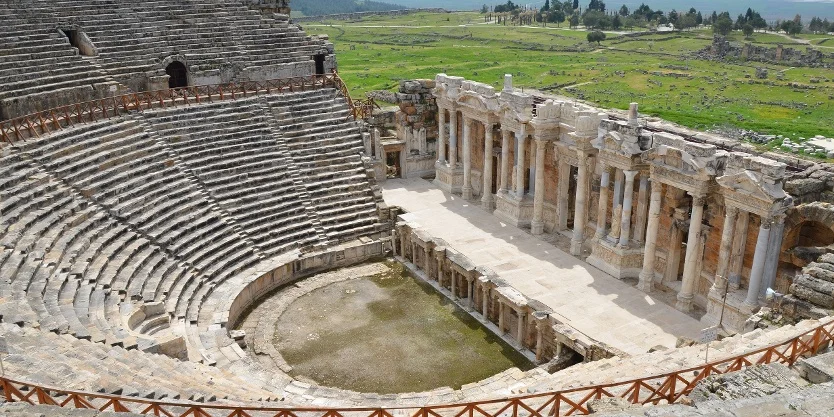 6 Nights / 7 Days
Istanbul, Kusadasi, Ephesus & Pamukkale 6 Nights Private Tour - Land Only
Istanbul · Kusadasi · Ephesus · Pamukkale
from €788 per person
View ItineraryGet a free, no-obligation quote
Tell us your dates and dream itinerary — our travel specialists will review availability and prepare a personal proposal.
Frequently Asked Questions
Do Japanese citizens need a visa for Turkey?
Entry requirements for Japanese passport holders depend on current Turkish policy, which changes, so we keep the details on a single dedicated page rather than repeating them here — see our Turkey visa guide for Japanese citizens, and confirm against the official portal before you book.
How many days do you need in Turkey from Japan?
Six to nine days on the ground is typical. Five or six nights covers Istanbul and Cappadocia efficiently, and eight or nine adds Pamukkale and Ephesus, the classic circuit. Travellers with more flexible time often extend to ten or twelve nights.
What is the best time to visit Turkey from Japan?
Golden Week in late April and early May lands in comfortable Turkish spring weather and is the busiest single window. Obon in mid-August is the other major cluster. October and November suit travellers with flexible dates, offering milder weather and fewer crowds.
Do group tours travel with a Japanese-speaking tour conductor?
Many Japanese agents send a tour conductor with the group for the full trip. That role works alongside, not instead of, the licensed Turkish guide required for guided sightseeing — both are genuine, separate roles on an honest itinerary.
Are local guides available in Japanese?
English-speaking licensed guides are available across Turkey. Japanese-speaking local guiding is more limited, particularly in Cappadocia, and needs to be requested well in advance; we will tell you honestly whether it can be arranged for your dates.
Do you work with travel agents running escorted tours in Japan?
Yes. We work on a net basis with Japanese agents for escorted group tours as well as honeymoon and independent FIT business — you keep the client relationship, we operate the Turkish ground arrangements, licensed guiding and driving.