Turkey Tours from Italy
A practical guide to planning a trip to Turkey from Italy — routes, timing around Ferragosto and Italian school holidays, trip length, and the guiding arrangements Italian travellers usually ask for.
For an Italian traveller, Turkey is less a foreign destination than an extension of a story already half known: the Greco-Roman ruins at Ephesus and Aphrodisias, Roman-era roads and cities across Anatolia, and a shared classical and archaeological heritage that Italian schools and universities take seriously. The flight from Italy is short enough — under three hours from most cities — to make Istanbul work as a genuine long weekend, which is a real point of difference from most of Turkey’s other European source markets.
What an Italian itinerary usually needs help with is not the interest in the sites but the logistics around a short flight time: which of Istanbul’s two airports the ticket lands at, how to sequence a short city break against a longer archaeological circuit, and when an Italian-speaking guide is realistic versus when English is the honest answer. This page is built to answer those questions directly.
We are a Turkish operator based in Istanbul, working since 2013 under TÜRSAB licence 7747. We run the ground side directly — licensed guiding, vehicles, entrance tickets, meals — for FIT couples, families, university and cultural-association groups, and for Italian travel agencies and tour operators who sell Turkey and want an operating partner on this end.
Departure gateways
The airports most Turkey-bound travellers leave from, and where they land.
Usually arriving at IST · SAW
Getting to Turkey from Italy
Main departure gateways are Rome (FCO), Milan (MXP and BGY), Venice (VCE), Naples (NAP) and Bologna (BLQ). Most traffic lands at Istanbul Airport (IST), with a share arriving at Sabiha Gökçen (SAW) on the Asian side of the city — the two sit on opposite shores of the Bosphorus, and the transfer time to the historic peninsula can differ by an hour or more, so it is worth checking which one your ticket uses. Flying time from Rome or Milan to Istanbul runs roughly two to two and a half hours, among the shortest of any major European gateway, which is why so much Italian travel to Istanbul takes the shape of a short break rather than a full holiday. Onward domestic legs to Cappadocia, the Aegean coast or Antalya are short flights, not long overland drives.
When Italian travellers go to Turkey
August is the defining constraint on the Italian calendar: Ferragosto on 15 August sits inside weeks when much of the country is closed for its own summer holiday, and Turkey-bound travel in this window skews heavily toward the coast rather than city or ruin-heavy itineraries in the midday heat. Easter and the Pasquetta long weekend (Easter Monday) are a genuine short-break trigger for Istanbul, as are the ponti around 25 April and 1 May. The main school summer runs June to September. Outside these peaks, Italian independent travellers and university groups tend to favour April–June and September–October for archaeological touring — warm enough to enjoy but comfortable for a full day walking a site like Ephesus.
How long to go for
Given the short flight, a genuine weekend break — three or four nights — works for Istanbul alone, something few other European markets can do comfortably. A fuller trip of seven to nine nights covers Istanbul, Cappadocia and the Ephesus–Pamukkale circuit, which is the itinerary Italian cultural and archaeological groups most often build around. Ten to twelve nights allows a slower pace or an addition of the Mediterranean coast around Antalya. Because the flight itself costs so little travel time, even a relatively short trip from Italy still delivers proportionally more time on the ground than the same length trip from a more distant market.
Language, catering and travelling your way
Italian-speaking licensed guiding exists in Turkey, particularly around the main Istanbul and Ephesus circuits given steady Italian demand, but it is not available everywhere and should be requested when you book rather than assumed — we will confirm honestly whether it can be arranged for your dates. University and school groups studying classical history or archaeology are a genuine and recurring segment, and itineraries for them are usually built around site access and timing rather than around catering, which needs no special handling for most Italian groups beyond the usual allergy and dietary notes. Turkish law requires a licensed guide for guided sightseeing and a licensed driver for the vehicle — both are quoted as real costs, not optional extras.
How we work with travellers and agents in Italy
For couples, families and small private groups we design the itinerary and run it ourselves on the ground in Turkey. For Italian travel agencies, tour operators and university or cultural-association group leaders we work on a net basis: you keep the client relationship and your margin, we handle the Turkish side — licensed guiding, vehicles, entrances and day-to-day operation. Tell us your dates, group size, academic or leisure focus, and the standard you’re working to, and we’ll return a costed itinerary rather than a generic brochure.
Before you book: the visa
Entry rules change, so we keep them on one maintained page rather than repeating them here. Check it, then confirm on the official Republic of Türkiye portal.
Read the visa guideGood to know
Main gateways are Rome, Milan (Malpensa and Bergamo), Venice, Naples and Bologna; most flights land at Istanbul Airport (IST).
Flying time to Istanbul is roughly two to two and a half hours — short enough that a three- or four-night weekend break to Istanbul alone is genuinely workable.
Ferragosto and the surrounding August weeks skew Italian travel toward the coast; April–June and September–October suit archaeological touring better.
Seven to nine nights covers the classic Istanbul, Cappadocia and Ephesus–Pamukkale circuit that Italian cultural groups most often build.
Italian-speaking guiding is workable around Istanbul and Ephesus given steady demand, but should be requested when you book, not assumed.
Turkish law requires a licensed guide and a licensed driver for guided touring — both appear as real line items in any honest quote.
Tours we operate in Turkey
Ready-made itineraries you can book as they are, or use as a starting point for something built around your dates.
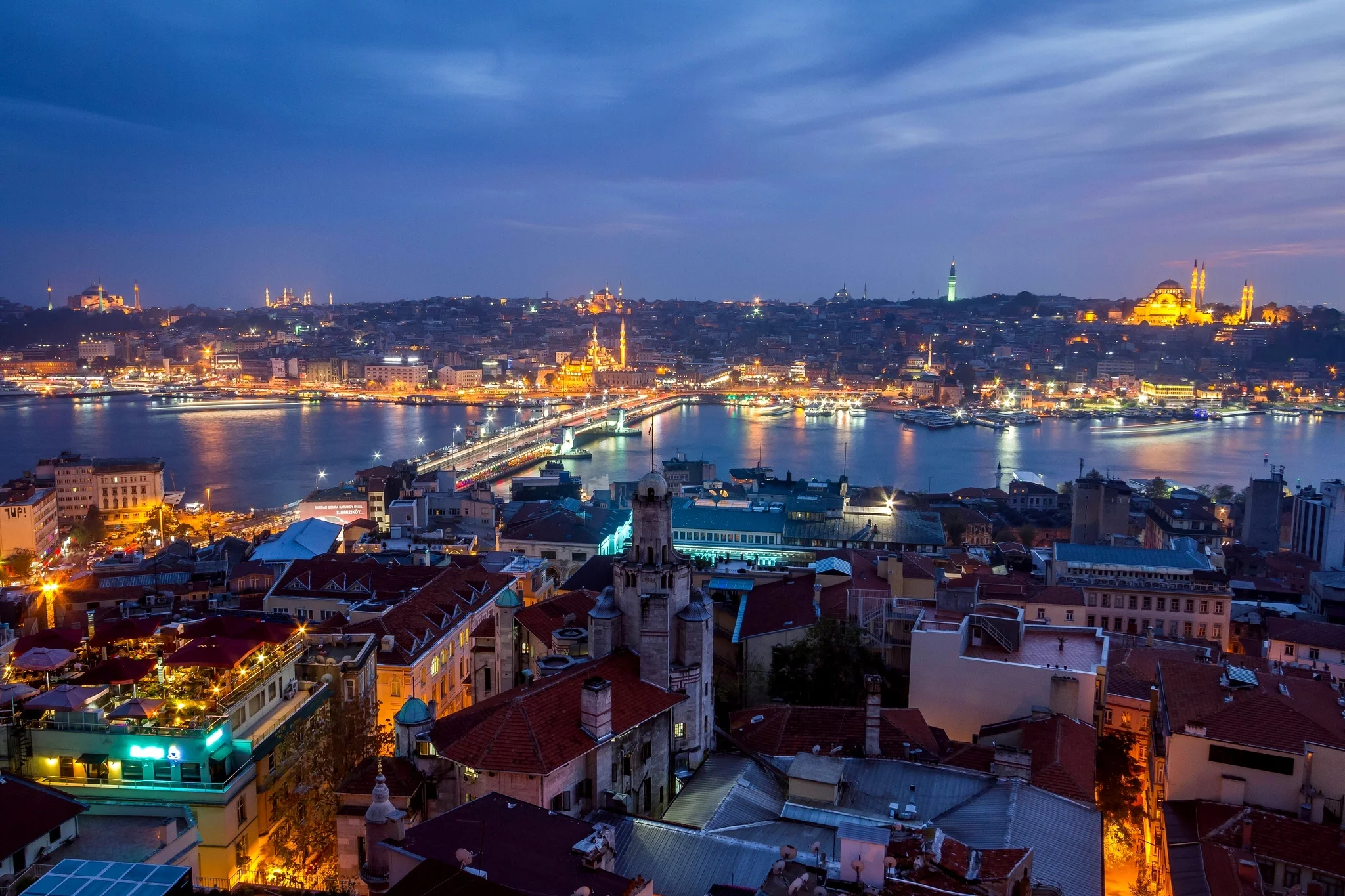 3 Nights / 4 Days
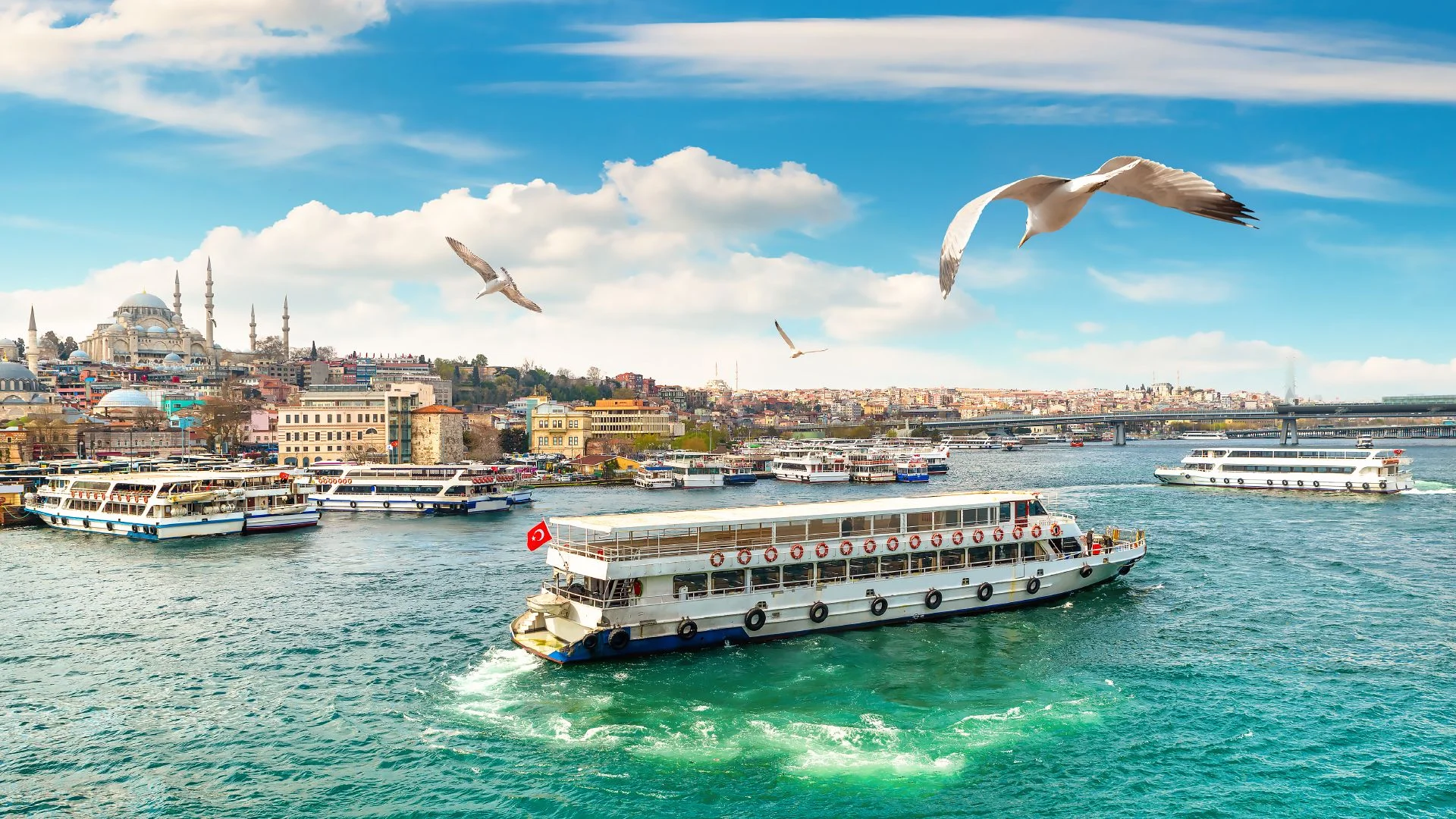 4 Nights / 5 Days
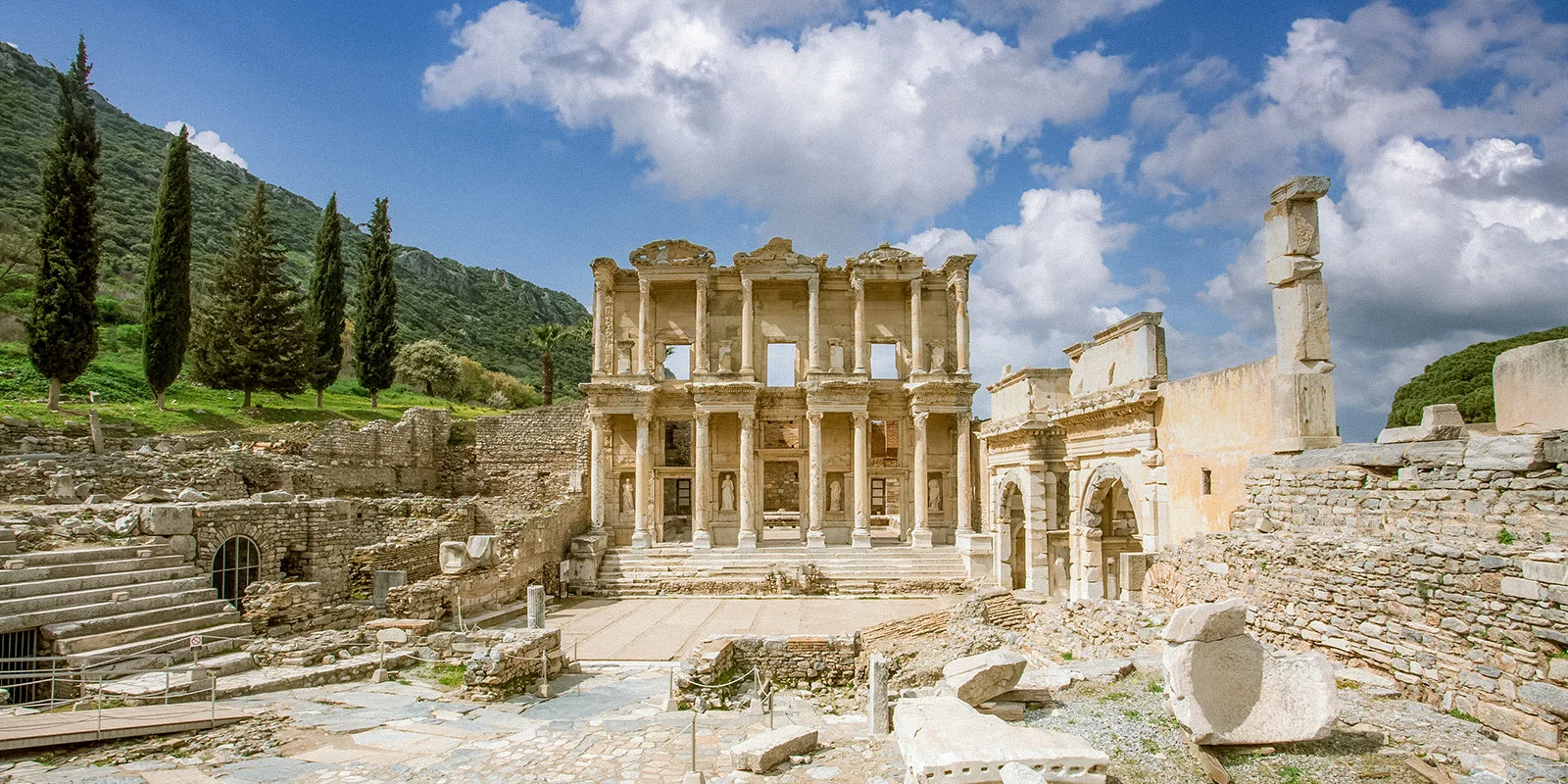 5 Nights / 6 Days
Istanbul, Kusadasi, Ephesus & Pamukkale 5 Nights Private Tour - Land Only
Istanbul · Kusadasi · Ephesus · Pamukkale
from €625 per person
View Itinerary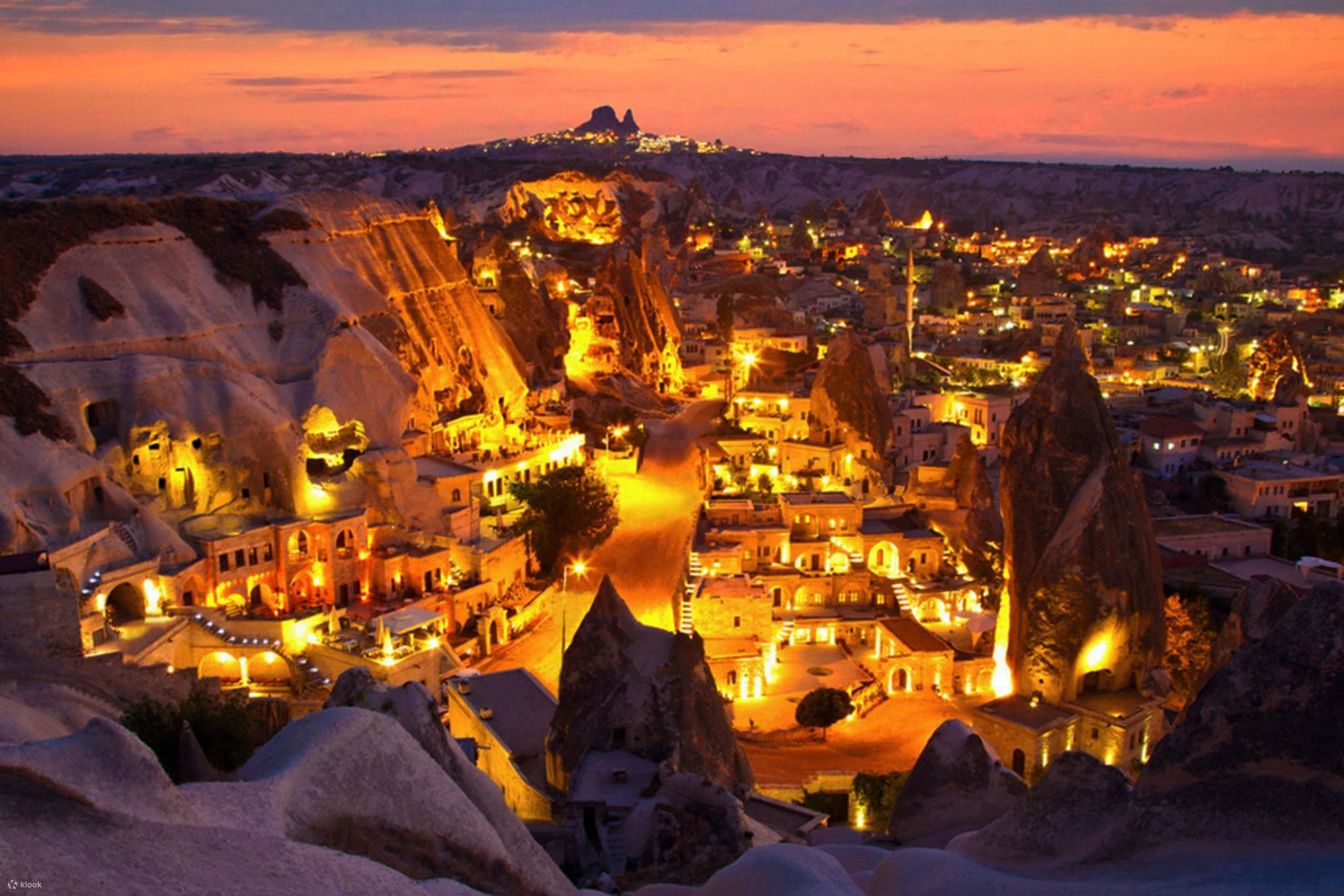 5 Nights / 6 Days
Istanbul & Cappadocia 5 Nights Private Tour - Land Only
Istanbul · Cappadocia
from €432 per person
View Itinerary 6 Nights / 7 Days
Istanbul & Cappadocia 6 Nights Private Tour - Land Only
Istanbul · Cappadocia
from €423 per person
View Itinerary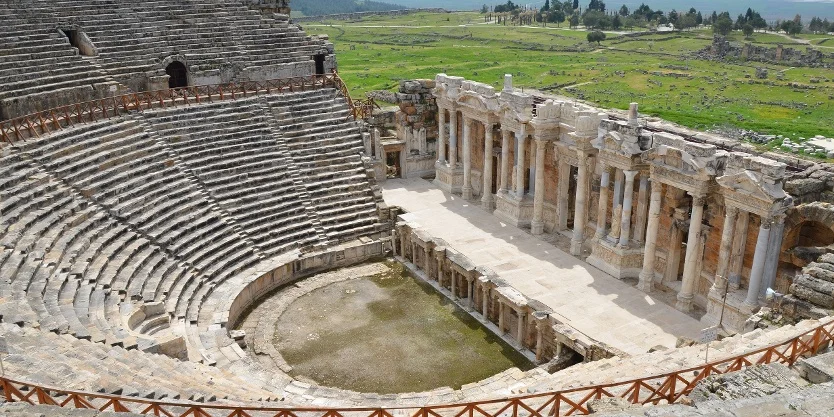 6 Nights / 7 Days
Istanbul, Kusadasi, Ephesus & Pamukkale 6 Nights Private Tour - Land Only
Istanbul · Kusadasi · Ephesus · Pamukkale
from €788 per person
View ItineraryGet a free, no-obligation quote
Tell us your dates and dream itinerary — our travel specialists will review availability and prepare a personal proposal.
Frequently Asked Questions
Do Italian citizens need a visa for Turkey?
Whether Italian passport holders need a visa depends on rules that change from time to time, so we keep the details on one dedicated page rather than repeating them here — see our Turkey visa guide for Italian citizens, and confirm the current requirement on the official portal before you book.
Can you do a short weekend break to Istanbul from Italy?
Yes. The flight from Rome or Milan is short enough — roughly two to two and a half hours — that three or four nights in Istanbul alone is a genuinely workable trip, not just a token stopover.
How many days do you need for a full Turkey trip from Italy?
Seven to nine nights is the classic range, covering Istanbul, Cappadocia and the Ephesus–Pamukkale circuit. Ten to twelve nights allows a slower pace or the Mediterranean coast around Antalya.
Is Ephesus worth visiting for Italian travellers interested in Roman history?
Yes — Ephesus and the wider region, including Aphrodisias, sit within the same Greco-Roman world Italian visitors already know from home, and licensed guiding there covers the archaeological and historical context in depth. We work with university and cultural-association groups on exactly this kind of itinerary.
Are guides available in Italian?
Italian-speaking licensed guides are workable around Istanbul and Ephesus given consistent demand, but availability varies by date and region. Request this when you book so we can confirm honestly rather than substitute an English-speaking guide later.
Do you work with Italian travel agencies and university groups?
Yes, on a net basis for FIT, family, cultural-association and academic group travel. You keep the client relationship and the margin; we operate the Turkish ground arrangements, including licensed guiding suited to a study or cultural itinerary.