Safranbolu Travel Guide
Everything you need to plan a trip to Safranbolu — a UNESCO World Heritage old town of timber-framed Ottoman mansions, cobbled lanes and saffron-scented Turkish delight, tucked into a ravine in the Black Sea foothills.
Safranbolu grew rich on the caravan trade that once passed through this stretch of northern Anatolia, and the merchants who prospered here built some of the finest Ottoman houses left standing in Turkey. The old town, Çarşı, spills down both sides of a steep ravine: tall timber-framed konaks with jutting upper floors, a covered bazaar still selling saffron, copperware and lokum, and a skyline of minarets and red-tiled roofs that has changed remarkably little in two centuries. UNESCO inscribed the whole quarter as a World Heritage Site in 1994, and the town has restored itself carefully rather than dressed itself up.
It is a place to slow down. There are no beaches or nightlife here — the appeal is architectural and atmospheric: wandering lanes too narrow for cars, ducking into a restored mansion turned museum house, drinking tea in a courtyard shaded by grapevines, and watching the old town light up at dusk from one of the viewpoints above it. A handful of natural curiosities lie within easy reach, including a long show cave and a canyon carved by the Soğanlı Stream, which make a good half-day addition to a stay built mostly around the old town itself.
This guide covers the essentials for planning your trip: the top things to do, the best time of year to come, how to get here, and where to base yourself.
Top things to do in Safranbolu
Spend your first hours simply walking Çarşı, the old bazaar quarter, where the Cinci Han caravanserai, the Cinci Hamam and rows of restored konaks give a sense of how the town looked in its Ottoman prime. Several mansions are open as house museums furnished in period style — worth an hour each to see how a wealthy caravan-trade family actually lived, from the divan-lined reception rooms to the enclosed women’s quarters. Climb to Hıdırlık Hill or the Kaymakamlar viewpoint in the evening for the classic panorama over the old town’s rooftops. Outside the centre, Bulak Canyon offers an easy walking trail along the Soğanlı Stream past waterfalls and old watermills, and Mengen and Yörük Village make quiet half-day detours if you have more time. Saffron itself — the spice that gave the town its name — is still sold in the bazaar, alongside copper pans, hand-loomed textiles and lokum.
When to visit Safranbolu
Spring (April–June) and autumn (September–October) are the most comfortable seasons, with mild days for walking the steep lanes and good light for photographing the timber houses. Summer is warm but rarely oppressive, since Safranbolu sits at altitude in the Black Sea foothills rather than on the coast; it is also the busiest season with domestic tourists. Winter can bring snow, which settles prettily on the old town’s roofs and draws its own visitors, but some house-museums keep shorter hours and hillside paths can be slippery — check conditions before an off-season winter visit.
How to get to Safranbolu
Safranbolu has no airport of its own. Most visitors fly into Ankara Esenboğa Airport (ESB), roughly three hours away by road, or arrive via Istanbul and continue overland. The town also sits on a direct rail line from Ankara to Karabük, a scenic and relaxed alternative to the road. Because it has no airport and a fairly involved approach either way, Safranbolu works best as a stop within a longer Black Sea or central Anatolia itinerary rather than a standalone weekend unless you are starting from Ankara.
Where to stay in Safranbolu
The obvious choice is a restored Ottoman konak inside Çarşı itself, where creaking wooden staircases, carved ceilings and courtyard breakfasts are part of the experience — book ahead in peak season, as many of these historic houses have only a handful of rooms. Staying in the old town also means you can leave the car behind and walk everywhere. A smaller number of newer hotels sit just outside the historic core for those who prefer modern rooms and easier parking, a short walk or short drive from the bazaar.
Know before you go
Safranbolu’s old town, Çarşı, was inscribed as a UNESCO World Heritage Site in 1994 for its Ottoman timber houses.
No airport locally — fly into Ankara Esenboğa (ESB), about three hours by road, or arrive by train from Ankara to Karabük.
The Cinci Han caravanserai and Cinci Hamam are the architectural anchors of the bazaar quarter.
Several restored konaks operate as house museums showing period Ottoman furnishings.
Bulak Canyon gives an easy walking route along the Soğanlı Stream past old watermills.
Spring and autumn offer the most comfortable weather for walking the town’s steep, cobbled lanes.
Tours in Safranbolu
Ready-made tours and packages we operate here — book as they are or have us tailor an itinerary to you.
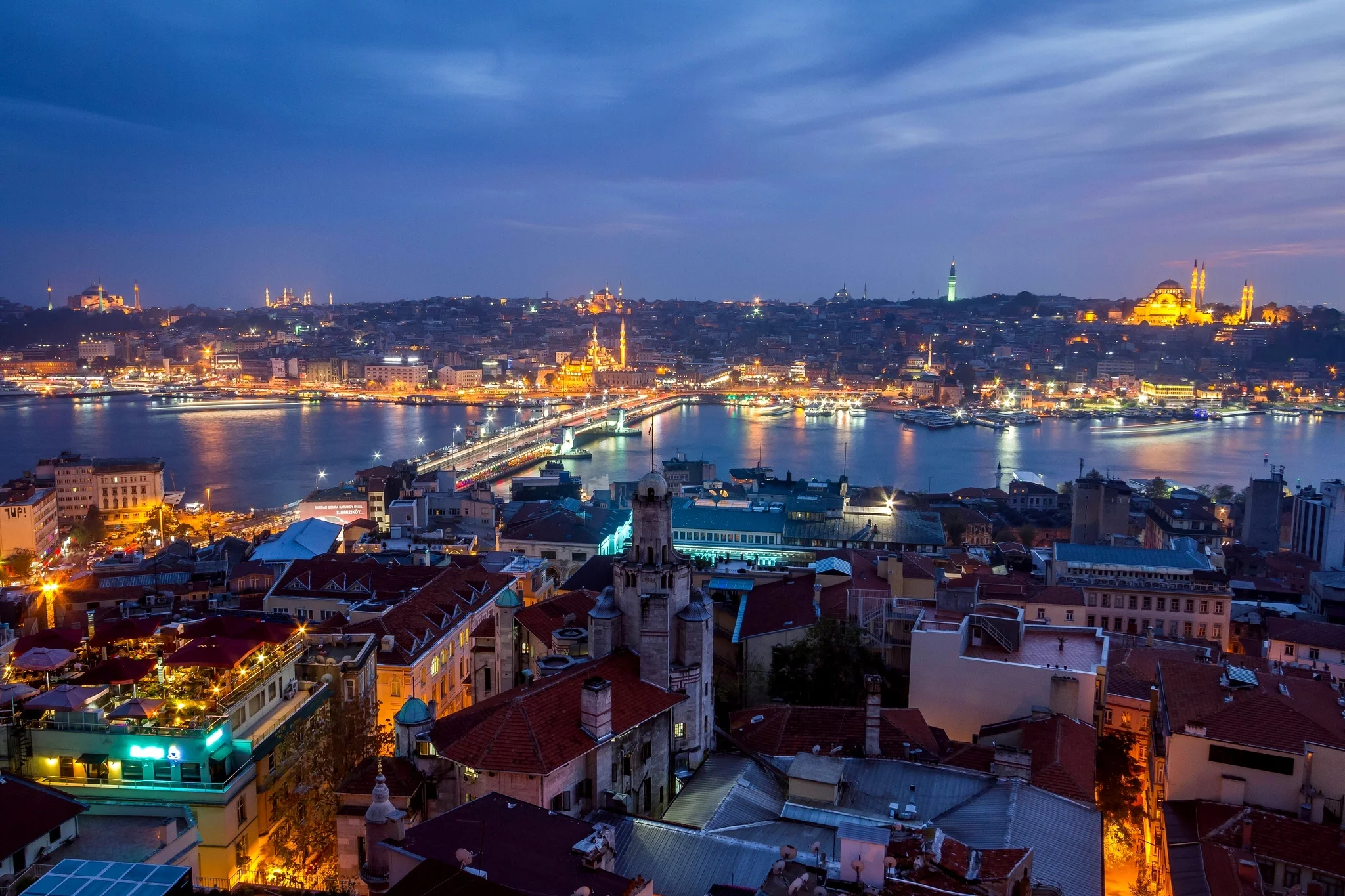 3 Nights / 4 Days
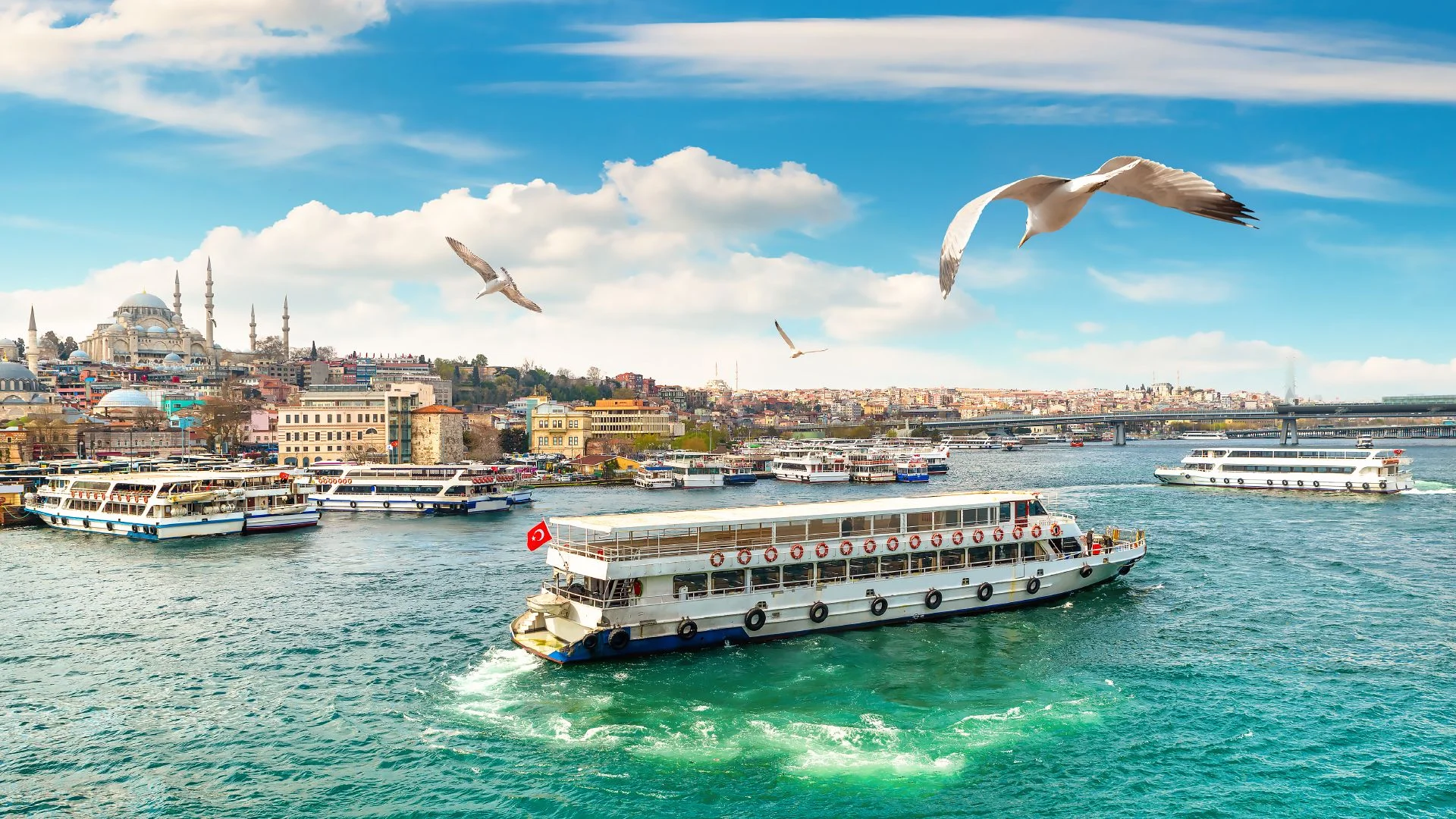 4 Nights / 5 Days
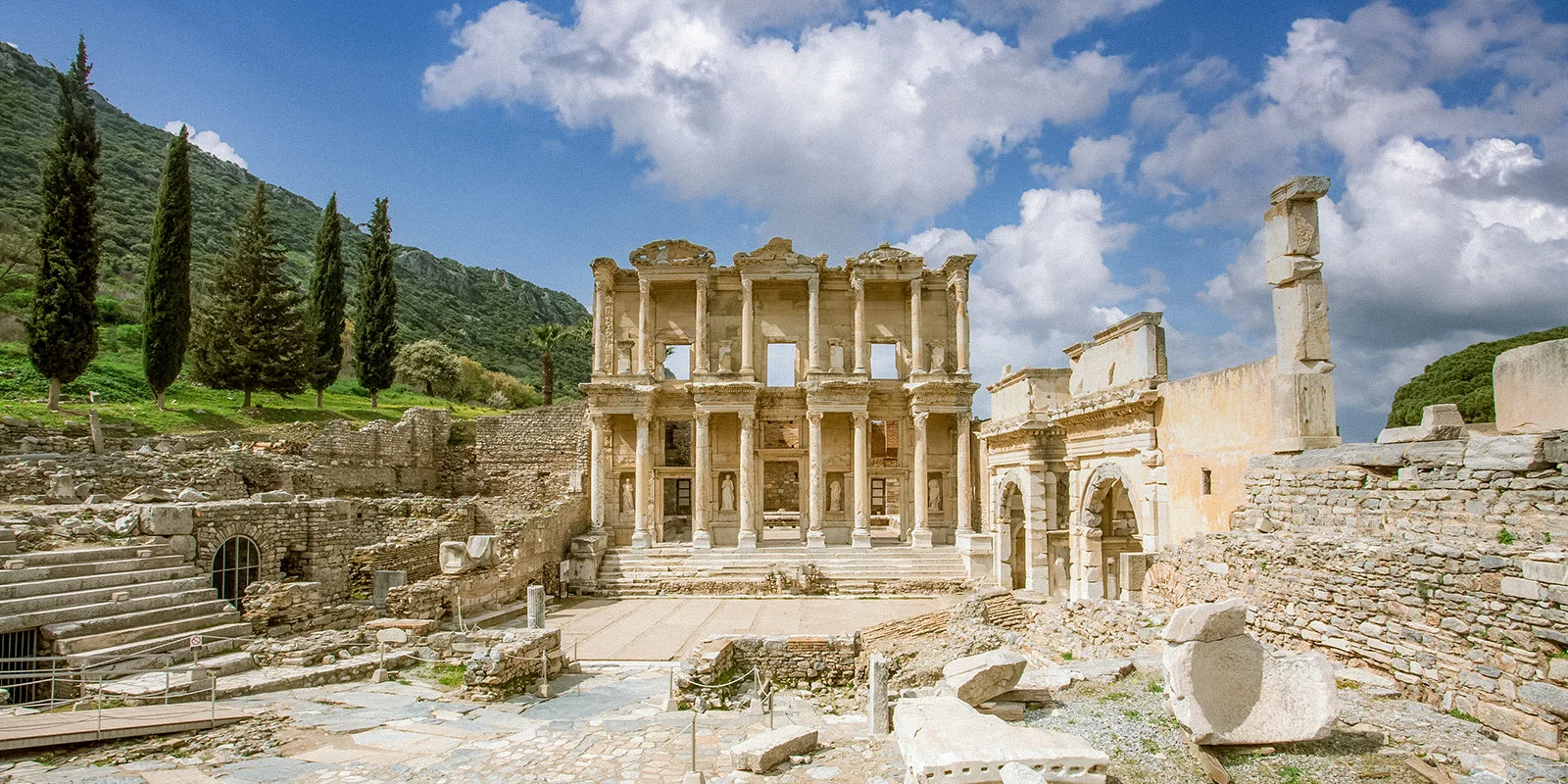 5 Nights / 6 Days
Istanbul, Kusadasi, Ephesus & Pamukkale 5 Nights Private Tour - Land Only
Istanbul · Kusadasi · Ephesus · Pamukkale
from €625 per person
View ItineraryGet a free, no-obligation quote
Tell us your dates and dream itinerary — our travel specialists will review availability and prepare a personal proposal.
Frequently Asked Questions
Is Safranbolu worth visiting?
Yes, if you are drawn to Ottoman architecture and a slower pace. Safranbolu’s old town is one of the best-preserved examples of a traditional Turkish caravan-trade town, with timber mansions, a working bazaar and viewpoints over a ravine setting unlike anywhere on the coast. It suits history-minded travellers more than beach or nightlife seekers.
What is the best time to visit Safranbolu?
April to June and September to October give the most comfortable temperatures for walking the old town’s hills. Summer is warm but manageable thanks to the inland altitude. Winter can bring snow, which is atmospheric but means checking house-museum hours and path conditions in advance.
How many days do you need in Safranbolu?
A full day covers the highlights of Çarşı — the bazaar, a house museum or two and an evening viewpoint. Two days allow an unhurried pace plus a half-day trip to Bulak Canyon or Yörük Village, which suits most visitors well.
How do you get to Safranbolu?
There is no local airport. Fly into Ankara Esenboğa Airport (ESB) and continue by road, about three hours, or by direct train from Ankara to Karabük. It is often visited as part of a wider central Anatolia or Black Sea coast itinerary.
What is Safranbolu known for?
Safranbolu is known for its UNESCO-listed old town of timber-framed Ottoman mansions, its Cinci Han caravanserai and hamam, and the saffron and Turkish delight sold in its historic bazaar.
Plan your trip with us
We operate tours and tailor-made packages across this destination. Tell us your dates and what you would like to see, and we will build the trip.