Ankara Travel Guide
Everything you need to plan a trip to Ankara — Turkey’s capital, a working government and university city built around a hilltop citadel, home to Atatürk’s mausoleum and one of the country’s finest archaeological museums.
Ankara is often overlooked in favour of Istanbul, but it is a genuinely different kind of Turkish city: a modern, administrative capital laid out around a much older core. The Ankara Citadel and the surrounding Ulus district preserve narrow Ottoman streets and a hilltop fortress with views across the whole city, while newer districts like Kızılay and Kavaklıdere hold the ministries, universities and embassies that make Ankara feel less like a tourist stop and more like a real, functioning Turkish city going about its business.
The city’s single unmissable sight is Anıtkabir, the mausoleum and museum complex built for Mustafa Kemal Atatürk, founder of the Turkish Republic — a monumental, deliberately imposing site that tells the story of the republic’s founding as much as it commemorates the man. Ankara is also home to the Museum of Anatolian Civilizations, widely regarded as one of the best archaeological museums in the country, tracing Anatolia’s history from the Paleolithic through the Hittites and beyond. Between the monuments, Ankara has a straightforward, unpretentious food and café scene built around students and civil servants rather than tourists.
This guide covers the essentials for planning your trip: the top things to do, the best time of year to come, how to get here, and where to base yourself.
Top things to do in Ankara
Start at Anıtkabir, Atatürk’s mausoleum, an essential visit for understanding modern Turkey — the site includes a museum covering the War of Independence and the founding of the republic. The Museum of Anatolian Civilizations, housed in a restored Ottoman bedesten, holds Hittite, Phrygian and Roman artefacts from across central Anatolia and rewards a couple of unhurried hours. Climb up to Ankara Castle in the Ulus district for city views and to wander the old quarter’s antique shops and tea houses below the walls. Kızılay and Kavaklıdere are the places to see how Ankara actually lives — busy streets, bookshops and çay evis rather than tourist infrastructure — and the Kocatepe Mosque, one of Turkey’s largest, is worth a look for its scale.
When to visit Ankara
Spring (April–May) and autumn (September–October) bring the mildest, most comfortable weather for a city built on hills and best explored on foot. Ankara sits at altitude on the Anatolian plateau, so summers are hot and dry rather than humid, and winters are considerably colder than Istanbul or the coasts, with occasional snow — worth factoring in if you plan to combine Ankara with a coastal leg of your trip.
How to get to Ankara
Ankara Esenboğa Airport (ESB) sits about 30 km north of the city centre, with year-round domestic connections and international links via Istanbul and other hubs. From the airport, a private transfer or the Havaş shuttle bus reaches central Ankara in roughly 40–50 minutes depending on traffic. High-speed rail also connects Ankara with Istanbul in around four hours, a comfortable alternative to flying for travellers combining the two cities, and Ankara functions as a practical gateway for onward road trips to Cappadocia or Safranbolu.
Where to stay in Ankara
Kızılay is the most central, walkable base, close to shops, restaurants and public transport links across the city. Kavaklıdere and Çankaya, just south of Kızılay, are quieter, more upscale districts near the embassies, with a good range of hotels. Staying near Ulus puts you within walking distance of the citadel and the Museum of Anatolian Civilizations, at the cost of being a little further from the newer city’s restaurants and nightlife.
Know before you go
Anıtkabir, Atatürk’s mausoleum and museum, is Ankara’s essential visit for understanding the founding of modern Turkey.
Ankara Esenboğa Airport (ESB) is about 40–50 minutes from central Ankara by transfer or Havaş shuttle.
The Museum of Anatolian Civilizations holds one of Turkey’s finest collections of Hittite and Anatolian artefacts.
Ankara Castle in the Ulus district gives sweeping city views and access to the old quarter below its walls.
High-speed rail links Ankara and Istanbul in around four hours, a comfortable alternative to flying.
Ankara sits at altitude on the Anatolian plateau — hot, dry summers and noticeably colder winters than the coast.
Tours in Ankara
Ready-made tours and packages we operate here — book as they are or have us tailor an itinerary to you.
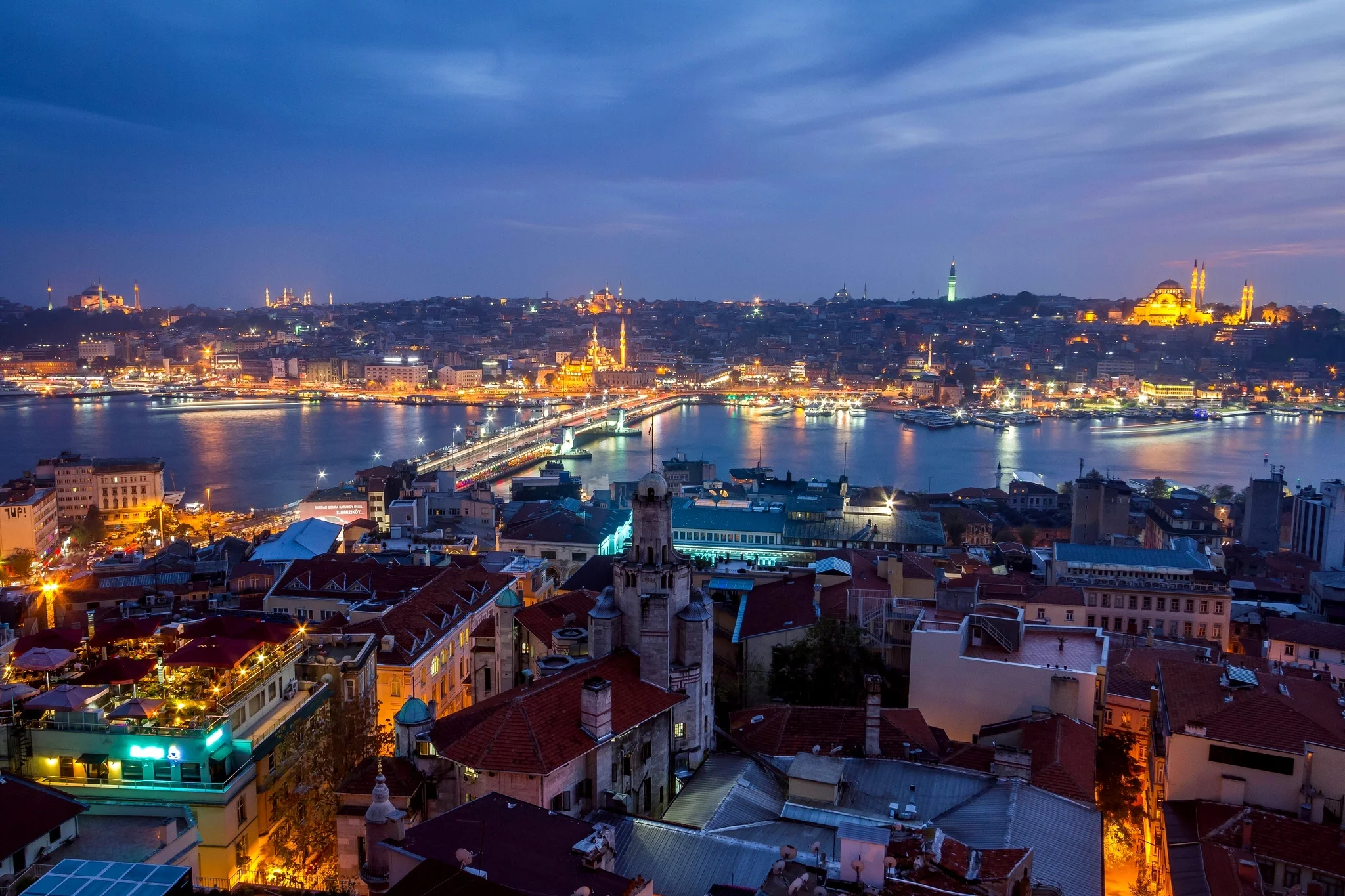 3 Nights / 4 Days
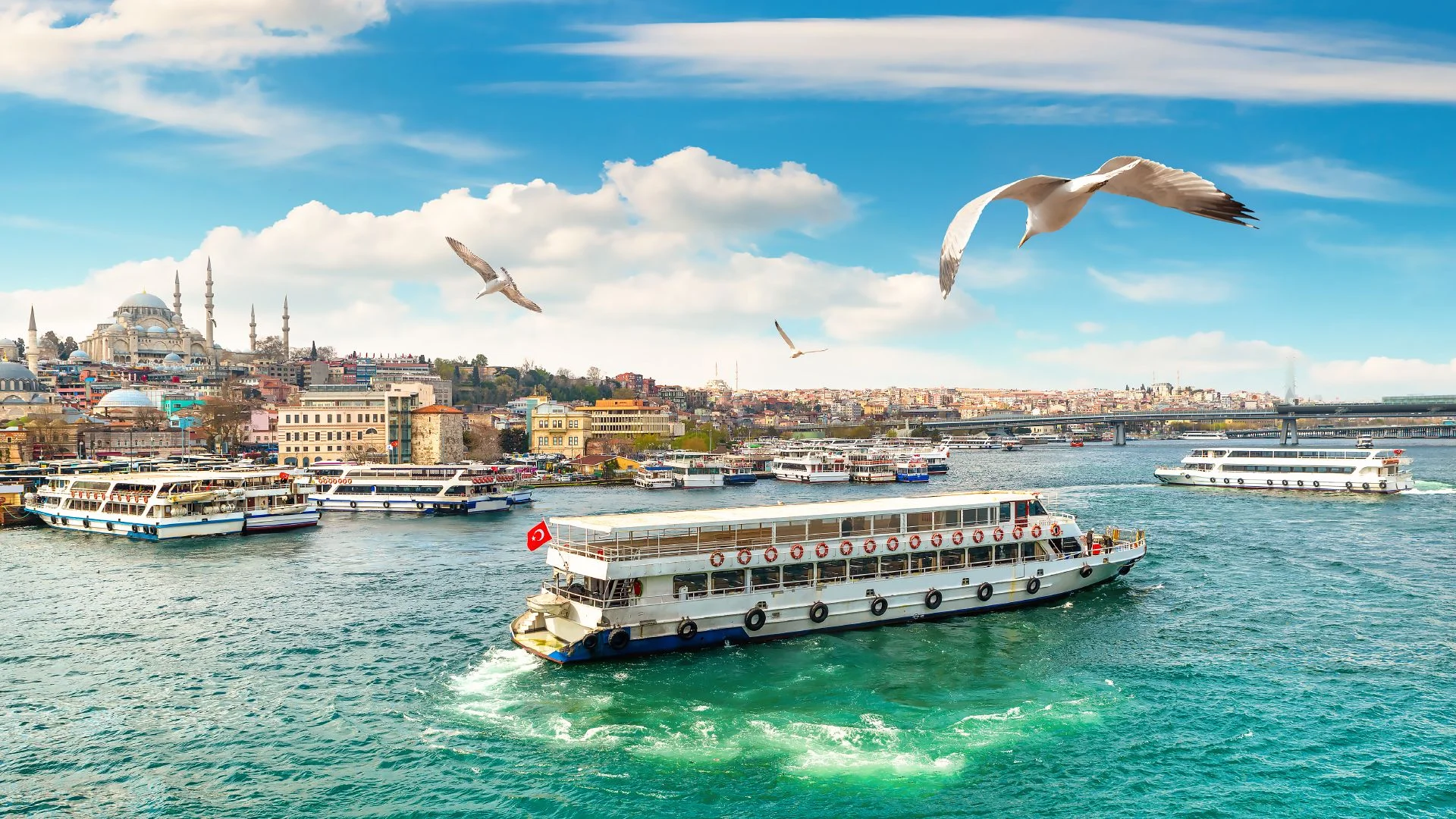 4 Nights / 5 Days
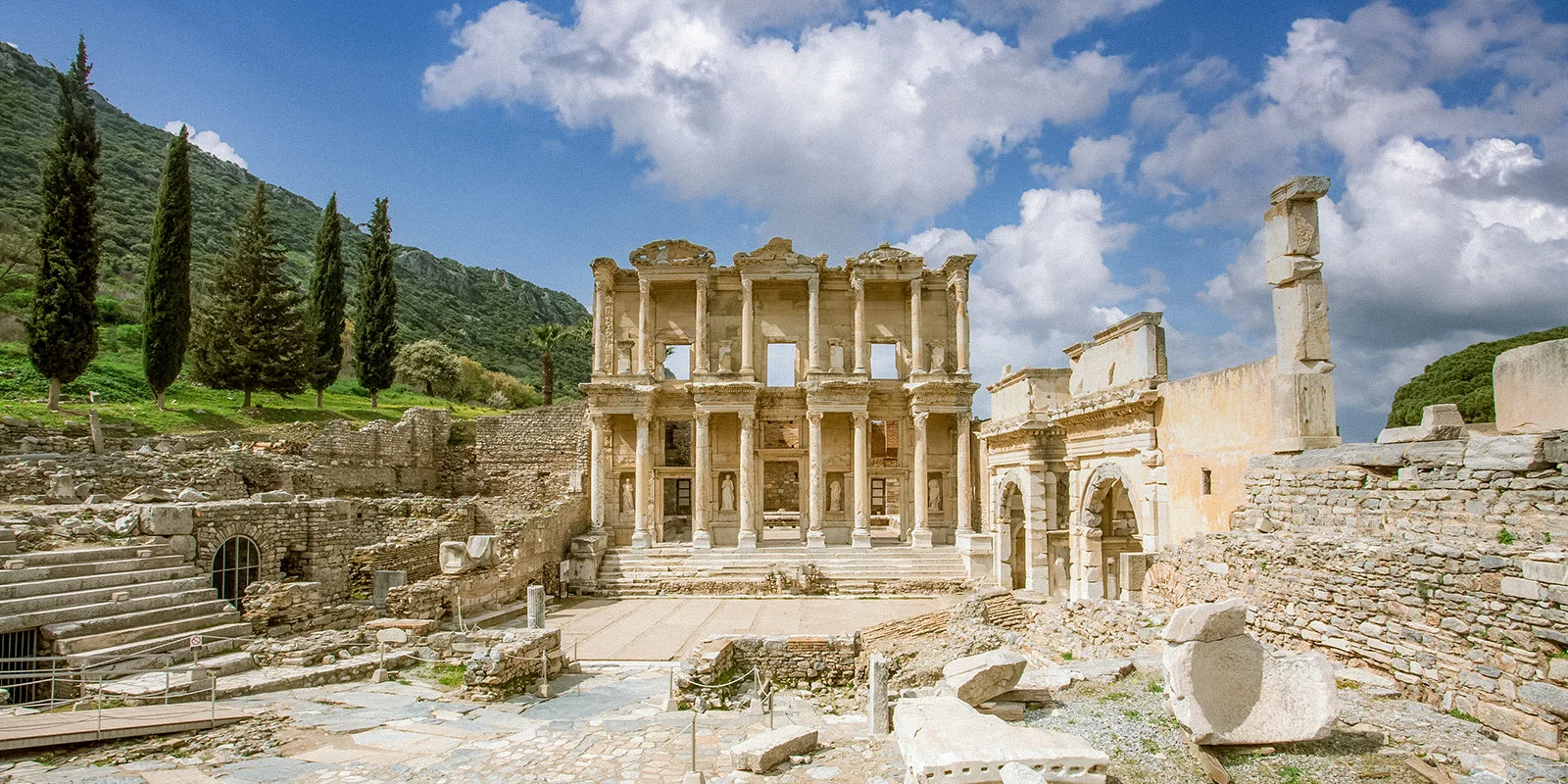 5 Nights / 6 Days
Istanbul, Kusadasi, Ephesus & Pamukkale 5 Nights Private Tour - Land Only
Istanbul · Kusadasi · Ephesus · Pamukkale
from €625 per person
View ItineraryGet a free, no-obligation quote
Tell us your dates and dream itinerary — our travel specialists will review availability and prepare a personal proposal.
Frequently Asked Questions
Is Ankara worth visiting?
Yes, particularly for travellers interested in modern Turkish history and archaeology. Anıtkabir and the Museum of Anatolian Civilizations are both genuinely world-class sights, and the city offers an unfiltered look at how Turks actually live, away from the resort areas. It is less geared towards tourism than Istanbul, which is part of its appeal.
What is the best time to visit Ankara?
April–May and September–October offer the mildest weather for walking a hilly city. Summers are hot and dry rather than humid, and winters are notably colder than Istanbul or Turkey’s coasts, with occasional snow, so plan accordingly if combining Ankara with a coastal trip.
How many days do you need in Ankara?
One full day covers Anıtkabir and the Museum of Anatolian Civilizations, Ankara’s two essential sights. Two days allow time to add the citadel and Ulus old quarter and to explore Kızılay and Kavaklıdere at a relaxed pace.
How do you get to Ankara?
Fly into Ankara Esenboğa Airport (ESB), about 30 km from the city centre, then take a transfer or the Havaş shuttle of roughly 40–50 minutes. High-speed rail also connects Ankara with Istanbul in around four hours.
What is Ankara known for?
Ankara is known as the capital of Turkey and the seat of its government, for Anıtkabir — the mausoleum of republic founder Mustafa Kemal Atatürk — and for the Museum of Anatolian Civilizations, one of the country’s leading archaeological collections.
Plan your trip with us
We operate tours and tailor-made packages across this destination. Tell us your dates and what you would like to see, and we will build the trip.